
Blog
Benefits of Participating in an Ethanol Plant Auction
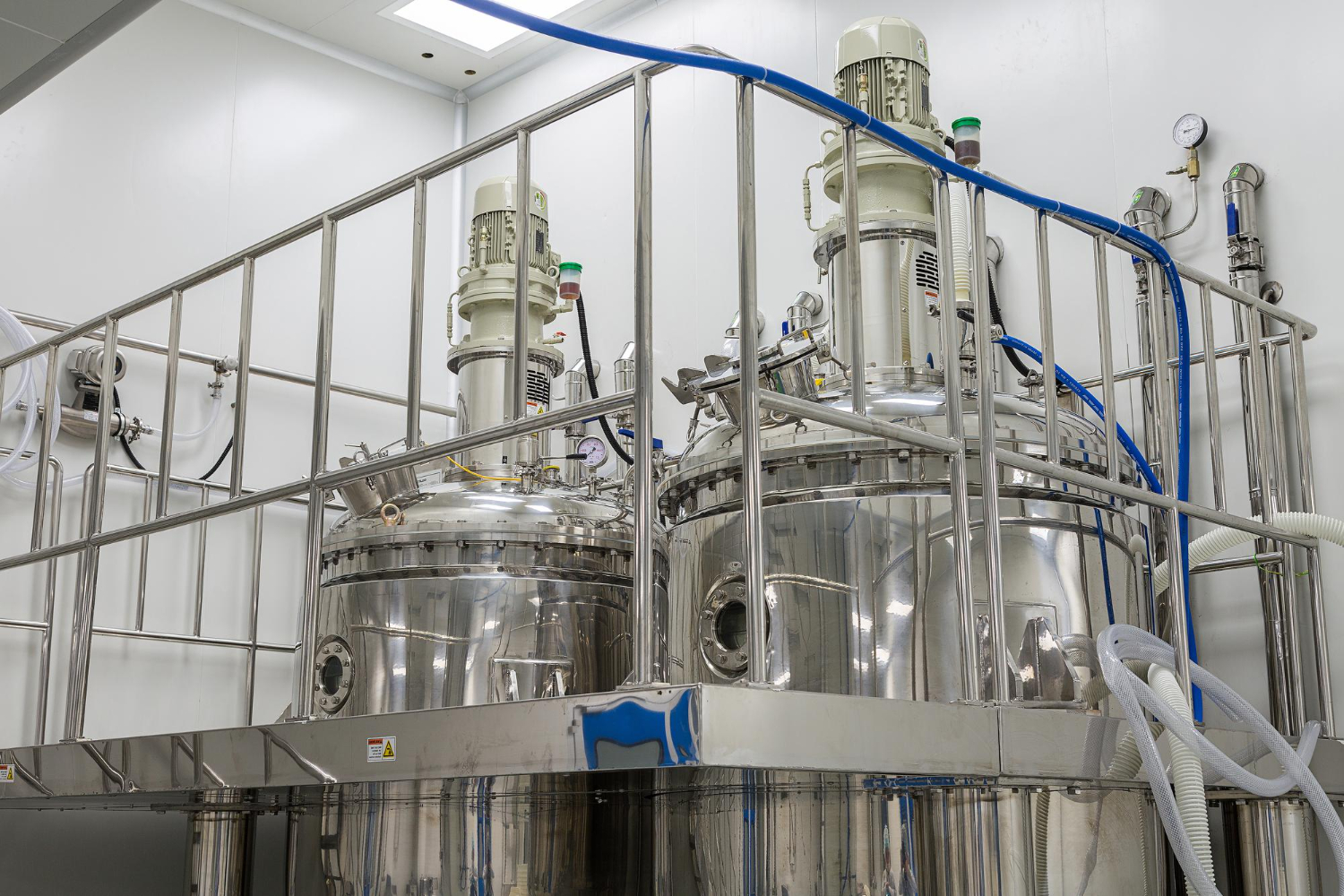
When a biofuel facility shuts down or changes hands, it often leaves behind more than just real estate. What's inside, tanks, control systems, process equipment, and support infrastructure, holds real value. Participating in an ethanol plant auction can be a smart move for those looking to recover assets, expand a business, or secure specialized equipment without long delays or complicated sales steps.
These auctions bring order to what could easily become a drawn-out process. By setting deadlines and opening the field to qualified bidders, they keep things moving. Whether you’re buying or selling, there’s real benefit in this structure. Let’s look at how an ethanol plant auction works, what makes these events useful, and why timing can make all the difference.
Why Ethanol Plant Auctions Attract Serious Buyers
What draws so much attention to ethanol facility auctions is the level of equipment you’ll find. These plants are often filled with heavy-duty tools and systems built for high volume and continuous use. And when operations stop, many of those assets are still fully functional.
• Buyers who attend these events aren’t just browsing, they’re often looking for very specific items like tanks, centrifuges, or power distribution gear. These aren’t always easy to find elsewhere.
• Groups from across industries participate. We often see energy firms, agriculture cooperatives, chemical processors, and investors interested in expanding capabilities or preparing for the next project.
• The auction format helps determine a fair value based on real buyer interest. Even in specialized markets, demand can drive bidding and lead to positive returns for sellers, while attracting high-quality assets for buyers.
When managed properly, this method cuts down on back-and-forth negotiating and brings trust to both sides of the exchange.
Key Advantages for Sellers in Auction-Based Plant Disposition
For those needing to close out facilities or offload equipment, auctions make the process more workable. Sellers benefit from supply chain coordination, document handling, and the ability to sell everything from the site itself to the last bolt on the shelf.
Here’s how auctions help move things forward:
• They offer clear timelines for settlement, which is especially useful when a company needs to meet quarter-end or year-end deadlines for reporting or recovery plans.
• By grouping machinery, buildings, and real estate into one complete presentation, auctions can appeal to both buyers looking for specific parts and larger investors interested in a full setup.
• When facilities sit idle after shutdown, utilities, building maintenance, and insurance costs stack up. Auctions help sellers avoid those ongoing expenses by moving assets more quickly.
Timing also matters here. Closing out an ethanol plant in December gives sellers the chance to wrap up major decisions before the start of the new year, without waiting for spring inspections or budget rollouts.
How Participants Prepare for a Successful Auction
Good results start before the auction goes live. Both buyers and sellers play a role in how smooth the experience will be.
From the seller’s side, a little early work can make a big difference:
• Organizing asset lists, ownership records, and maintenance histories helps buyers feel more confident. Prospective buyers can act faster and with less hesitation when they know what they’re getting.
• Having everything onsite or digitized for review saves time during the inspection window. Virtual walk-throughs and GPS-tagged photos are helpful, especially in winter, when snow and shorter days may limit site access.
Buyers also need to plan ahead:
• Most events require pre-registration and item previews. Skipping those steps can mean missing key information or a bidding opportunity.
• Inspections (either onsite or virtual) give buyers a close look at the condition of the property and machines. Scheduling these visits early gives time to ask questions or bring in experts for second opinions.
• December may not seem like the easiest month for site visits, but it’s actually a good fit for planning January moves, especially when facilities are in colder regions. Getting ahead this time of year avoids winter delays in logistics.
With both sides prepared, the auction day goes quicker and with fewer surprises.
What Makes Ethanol Plant Auctions Unique
Not all industrial auctions are the same. Ethanol plant auctions bring a mix of parts, systems, and tools that make them stand out, especially when the facility being liquidated is still in ready-to-run condition.
• These locations often feature integrated process systems designed to work together. That can attract interest from buyers hoping to replicate or relocate full operations.
• Specialized machinery like fermentation tanks, PLC-controlled valves, and distillation columns aren’t easy to source on secondary markets. When they show up, even buyers overseas take notice.
• Some auctions are public, while others use timed bidding or sealed offers. These options give sellers more privacy when needed, and give buyers the space to plan large purchases without added pressure.
Because ethanol is part of the biofuels sector, gear used here sometimes overlaps with food processing, chemical refineries, or energy manufacturing. That creates crossover interest and widens the audience, which helps with stronger market exposure.
Maas Companies has overseen ethanol, biodiesel, and bio-refinery sales since 1984 and provides turnkey marketing strategies that bundle equipment, real estate, and support assets for high-value auctions. We have documented experience hosting multi-million-dollar ethanol facility auctions for both investors and lenders, ensuring each plant is presented with comprehensive asset catalogs and digital inspection tools.
A Strategic Way to Close the Year
By choosing to take part in an ethanol plant auction, whether from the buying or selling side, participants gain structure around what can often be a high-pressure process. It gives sellers a more orderly path to clear the balance sheet and avoid growing holding costs. For buyers, it’s a chance to move fast on real assets without waiting for custom builds or new production lead times.
Closing out this kind of event in mid or late December fits with how businesses often think about year-end planning. Projects paused during winter can gear up again in Q1 with new assets in place. Decisions made now open the door for smoother transitions, reduced downtime, and better financial planning as the calendar turns over.
With the right preparation and a well-organized sale, ethanol plant auctions offer practical paths forward, and they keep everyone moving instead of staying stuck in limbo.
Exploring a recent or upcoming ethanol plant auction can give you valuable insight into timing, scope, and asset value when managing surplus facility assets or planning a site transition. These events create opportunities for buyers and sellers to connect and offer a reliable structure for making informed decisions. At Maas Companies, we know that organized planning and clear documentation can minimize downtime and help maximize returns for all parties involved. Reach out to discuss upcoming opportunities or let us know what challenges you’re working to solve.
Discover the strategic advantage of participating in an ethanol plant auction with Maas Companies. Whether you're buying or selling, these auctions offer a structured path for acquiring high-quality assets or closing out facilities efficiently. Our proven turnkey marketing approach ensures that you gain maximum value and insight from every transaction. Connect with us to explore the opportunities and find solutions tailored to your needs.