

Blog
How Ethanol Plant Auctions Work During Energy Sector Shifts
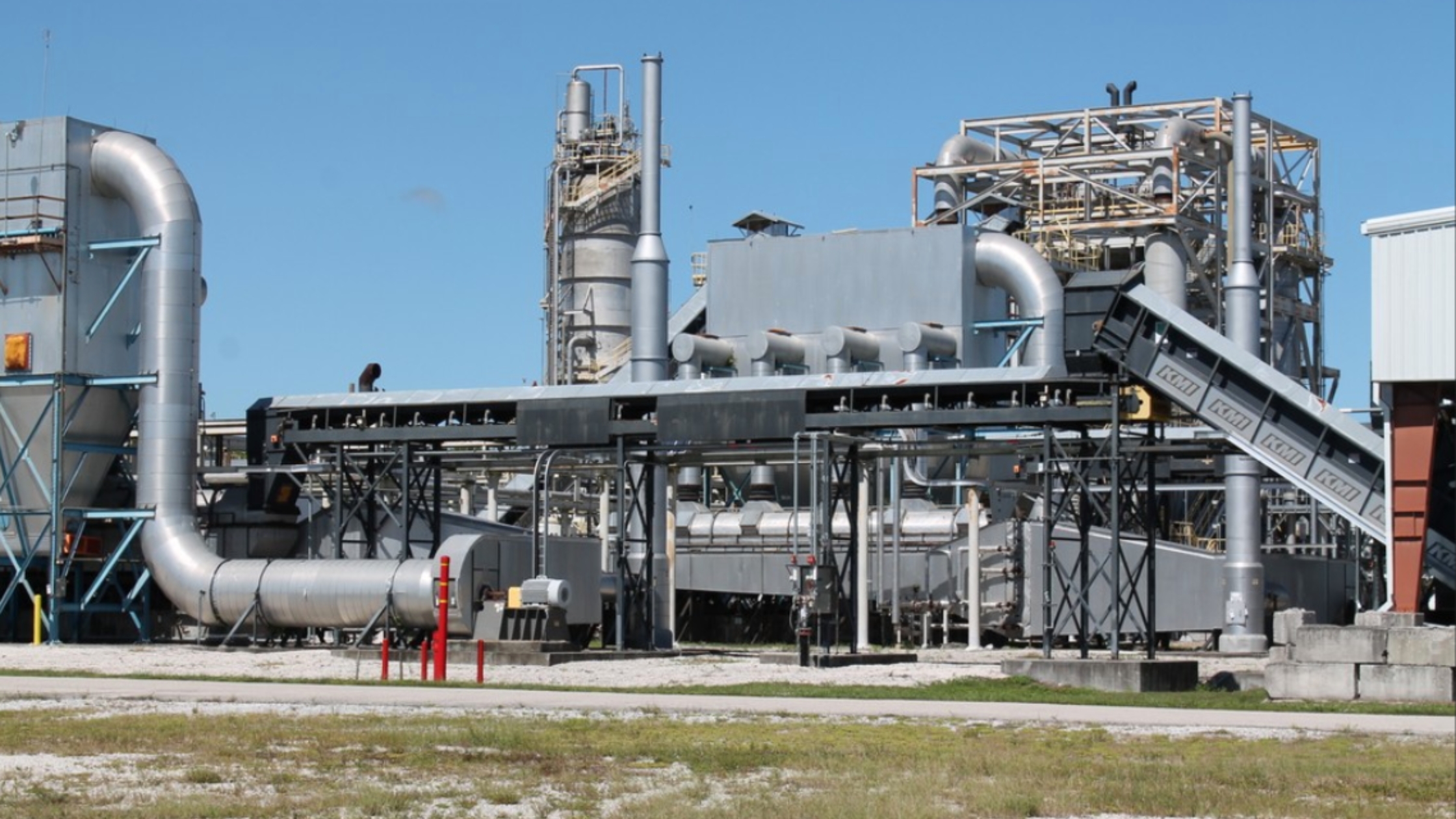
Ethanol production has seen its share of ups and downs, and when energy markets shift, so does the future of many plant facilities. These changes often lead to full-scale closures or transitions, and when that happens, asset owners and lenders need a process they can move on quickly. For those involved, understanding how an ethanol plant auction works, and how timing plays into it, is key.
Seasonal factors and market timing come together in early spring, which makes planning even more important. Whether the goal is recovery, resale, or repurposing, the way assets are handled can affect outcome and value. Getting it right means knowing what triggers a sale, what to expect on-site, and how auction strategies line up with the pace of market change.
What Triggers an Ethanol Plant Auction?
There’s no single reason we see ethanol plants head to auction. More often, it’s a mix of finances, shifting priorities, and broader market changes. Some of the most common drivers include:
- Business closure after changes in commodity pricing or production economics
- Lender recovery following default, particularly SBA or USDA-backed loans
- Plant restructuring during ownership changes or mergers
- Market movement away from biofuels in certain regions
Lenders and special asset groups often step in when operational issues reach a breaking point. Government-backed loans add another layer of coordination, usually involving timelines laid out under federal servicing guidelines. Auctions take shape only after thorough evaluation, and with public or institutional funding involved, every step is closely monitored.
Regional policies matter too. State-level energy mandates or subsidies can influence when a facility decides to pause or exit operations. And right after Q1 financial reviews wrap up, auction setups in spring are common as decisions made earlier in the year come into action.
Preparing for Auction: Site, Equipment, and Timeline
Once the call is made to move forward with liquidation, site control becomes the first priority. Every ethanol plant has its own layout and quirks, but getting organized typically starts with access and review.
Here’s what we prioritize during planning:
- Review property access and secure perimeter and entry points
- Create a master inventory, with serial numbers and asset tags logged
- Photograph equipment in good lighting, before snowmelt or spring mud
- Pull title details for movable and titled assets early, especially anything requiring transfer paperwork
Late winter is an ideal time to start this process, but it comes with its own travel and logistics hurdles. Mud season in some areas can delay heavy haul routes, and thaw conditions can block equipment staging. That’s why we tend to frontload staging before everything softens, otherwise the right buyer might come late, and hauling becomes slow and limited.
Every ethanol plant has large systems like fermenters and boilers, so auction logistics must allow space for safe walkthroughs and rigging. Staging these large items, alongside smaller controls or lab setups, takes planning and appropriate lead time.
Organizing early means the site is ready for buyer inspections and reduces setbacks during the busiest auction period. It's not just about the machinery, but also about safe pathways, working utilities, and accessible documents. Something as basic as clear signage or a clean layout on auction day streamlines the inspection process and reassures buyers.
What Sells in an Ethanol Plant Liquidation
Each sale looks a little different, but there are typical equipment groups we see buyers take interest in year after year. These include:
- Primary process equipment like fermenters, distillation columns, and agitators
- Energy and steam support, including boilers and turbine systems
- Electrical panels, control systems, and PLC hardware
- Warehouse contents such as pumps, piping sections, conveyors, and forklifts
- Facility real estate and storage silos
Some buyers want a few select machines. Others ask about taking the whole line or purchasing "as-is, where-is" packages. We build our schedule to support both. Either way, buyers look closely at asset age, current condition, and whether the site can be brought back online, or easily repurposed.
Maas Companies has managed auctions for some of the largest ethanol and renewable fuels facilities in North America, coordinating property and specialized equipment sales for lenders, operators, and receivers. Our digital marketing approach and in-person auction services connect serious buyers and investors and deliver thorough market exposure for each asset.
Spring auctions open up new possibilities, especially for buyers who want to set up operations later in the year. Access to documentation, maintenance logs, and early condition reports often plays into stronger bids from serious operators.
Preparation also streamlines the sales process, as detailed records and up-to-date inventory give all parties confidence in the transaction. When buyers have clear visibility into what is for sale, and the true working condition of critical components, they are more likely to commit to bids that reflect fair asset value.
Role of Professional Auctions During Market Shifts
When the energy sector begins to change, the path forward for plant assets isn’t always clear. That’s where auction professionals have the most impact. We work with lenders, trust officers, and government agencies to pace out the process and avoid last-minute fire drills.
A few ways professional auctions support successful transitions:
- Structured marketing to reach buyers with relevant industry experience
- Flexible formats, including online-only auctions that expand location reach
- Detailed asset packages to answer early buyer questions and reduce site foot traffic
- Prepared auction timelines designed with weather, freight, and compliance in mind
In many cases, auction isn’t the only strategy in play. We often use a hybrid model that includes brokerage efforts alongside competitive bidding. That blend helps attract a wider base, from investors willing to buy whole facilities to operators looking for select equipment pieces.
We approach these sales with a realistic view of asset age, location limits, and buyer motivations. The right strategy keeps value from slipping, especially during uncertain periods where asset conditions can deteriorate fast if action stalls.
Professional auction teams also help navigate the necessary paperwork, coordinate site access, and pre-screen buyers to protect both sellers and bidders. By anticipating bottlenecks, like delayed title transfers or insurance requirements, they reduce the risk of timeline setbacks that weigh down an otherwise promising sale. Auction professionals bring experience in compliance and regulation, which is valuable when liquidating facilities tied to government programs or complex energy contracts.
A Smarter Way to Handle Energy Plant Transitions
When the energy sector starts shifting, ethanol plants sitting on the fence can become liabilities. Auctions in early spring give everyone involved a chance to act before conditions change again, before roads get too soft, crews disappear to other jobs, or values drop due to weather damage or sitting idle too long.
By moving early, we help make the most of what’s still usable and protect what remains onsite. The goal is always the same: structure each sale so buyers and sellers meet at the right time, under the right conditions, and with enough information to move forward. When transition is the only path, timing and preparation determine how smooth that shift will be.
Explore the benefits of participating in an ethanol plant auction with Maas Companies, where our focused auction strategies ensure smooth transitions and maximum asset recovery. As market dynamics shift, acting promptly can protect your investment and open new opportunities for growth. Trust our expertise to guide you through every step of the auction process, delivering results that align with your goals and timing. Let’s work together to optimize your project’s potential today.