
Blog
How an Auction Marketing Company Supports Industrial Closures
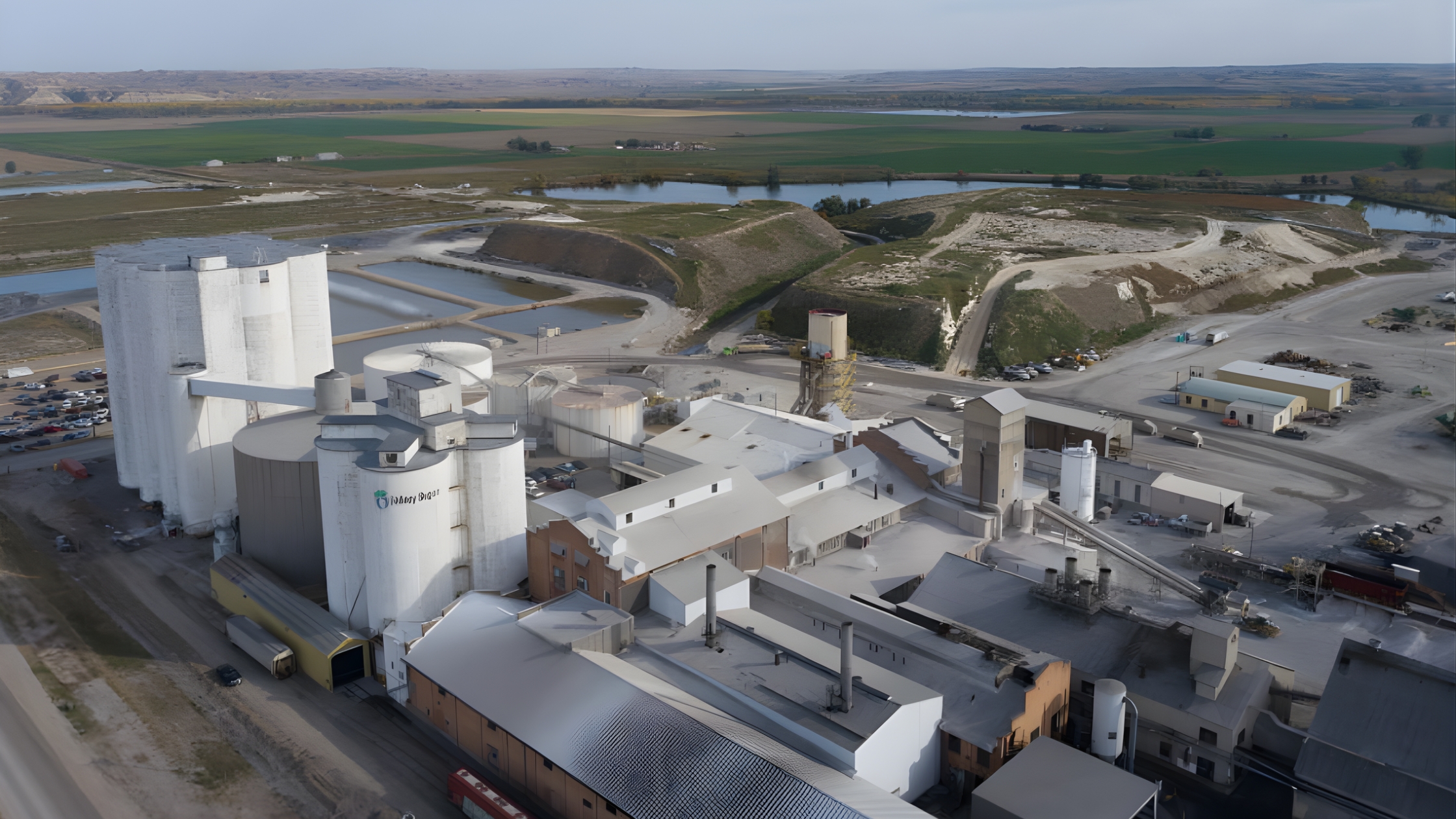
Industrial plant closures aren’t just about turning off the lights and locking the doors. Whether it’s a seasonal shift, market slowdown, or a permanent shutdown, there are often large amounts of machinery, fixtures, and real estate that need to be handled quickly and properly. A planned shutdown has many moving pieces, from asset tracking to sale preparation to regulatory compliance. That’s where timing and coordination matter most.
Working with the right auction marketing company during a closure allows asset holders to move from shutdown to sale without long delays. Plant equipment and property that sit idle lose value fast. With a structured exit process, we help bring organization to what can otherwise feel like a scramble. This kind of support makes a big difference for lenders, asset managers, and agencies that need strong outcomes with limited lead time.
Coordinating Equipment and Real Estate Disposition Together
Selling plant equipment and real estate in parallel works better than managing each one in a separate process. When handled together, the timeline moves faster, and buyers are often more interested. Some prefer to purchase both property and equipment as a package deal, while others want to know their bids won’t be sidelined by what’s happening with the building.
Bundled strategies help create a clearer offer structure, especially if the facility is still set up for integrated processes like food, energy, or materials production. In these cases, buyers are drawn to the idea of an up-and-running plant with everything still in place. Even separated sales benefit from coordination, since marketing and scheduling can be aligned to keep momentum.
Timing matters too. Planning winter or early-spring closures means contending with snow, holidays, and schedules that shift with colder weather. When deals are coordinated early, these seasonal hurdles are easier to manage, and it helps to have a solid plan in place before any issues arise. It gives everyone more flexibility and reduces the chance of missed opportunities or last-minute surprises.
Managing Site Access, Inspections, and Logistics
Once a sale plan is underway, one of the first hurdles is getting equipment and buildings ready to view. Cold weather poses challenges here, especially in regions where ground freezes or snow limits truck access. Buyers may have to come from out of town, and daylight hours are shorter during winter.
We take care to make each property accessible and easy to inspect:
• Schedule showings during peak daylight for better photography and walkthroughs
• Mark and label assets clearly so buyers know what’s included
• Provide secure or heated storage when possible for sensitive or high-value machinery
Location plays a big role. A Southern facility may be fine for winter travel, while one in the Midwest might need added prep for site safety and walk-throughs. Building condition also affects planning. Older properties may need minor repairs, power checks, or layout diagrams to help buyers assess potential value.
Managing the logistics of moving equipment is another consideration. Cold weather can make transporting heavy machinery more complicated, especially when snow or ice are present. That is why planning ahead and scheduling with trusted vendors is important. Clear communication with all involved parties helps prevent delays and ensures that equipment leaves the property safely. Setting up backup plans for particularly harsh weather days can also keep the process on track.
Building Buyer Interest Before Public Sale
Starting early with marketing makes a big difference, especially when closures occur near the first quarter of the year. In many industries, clients plan their capital purchases near year-end or early spring, so getting on their radar takes lead time.
We focus on these areas to build early interest:
• Clear documentation and imagery that help show asset condition and scope
• Marked equipment lists, floorplans, and property descriptions to guide buyers
• Digital strategies like email, social media, and auction calendars to build momentum
Auction marketing campaigns must match buyer calendars. If you're selling manufacturing equipment, for instance, many buyers plan upgrades around midyear, so listing in January or February helps meet those timelines. High-quality marketing helps push past winter slowdowns and keeps the right buyers engaged.
It’s also helpful to offer virtual tours or detailed photo packages for buyers who might have trouble traveling in the winter months. Making sure listings are easy to find online ensures broader reach and helps keep your sale top of mind for active buyers. Thoughtful marketing gives buyers the time they need to evaluate assets, seek approvals, and feel confident about placing competitive bids.
Helping Lenders and Special Asset Teams Through the Closure Process
Lenders and asset managers often carry the biggest financial exposure during a closure. That’s why our coordination starts early with documentation, reporting, and timeline planning. When you’re dealing with distressed or government-backed properties, the process adds another layer of responsibility.
For SBA or USDA-backed assets, timelines must match eligibility rules and approval cycles. Attempting to move too quickly or without proper valuation steps can create review issues. An experienced auction marketing company understands these constraints and works within them to avoid added delays.
We focus on helping lenders limit risk and protect value through:
• Clear records of marketing efforts, inspections, and sale conditions
• Regular updates to keep asset recovery projections current
• Sale formats that match market demand, property type, and seasonal conditions
Maas Companies has managed auctions for some of the largest ethanol, biodiesel, and combined heat and power facilities in North America, guiding sales for high-value real estate and turnkey processing assets. The company's process covers everything from asset identification and due diligence to final payment and property transfer, so lenders and owners stay informed at every step. A thoughtful process keeps surprises to a minimum and gives all parties confidence the asset is being handled with care.
Having a good roadmap for regulatory compliance is also helpful. It can ease stress on all involved, since government-backed properties often require extra transparency. Staying organized and proactive with paperwork, notifications, and scheduling makes for a smoother experience and helps maintain trust among all stakeholders.
Why Strategy Matters in Seasonal Closures
A smart closure strategy changes depending on the month. For example, selling in late January means site prep often starts right after the holidays. Planning to sell in February or March sets the timeline in motion while snow may still be on the ground, but spring budgets are beginning to open.
Winter conditions change how we approach nearly every piece of the sale process. Frozen ground can delay certain site inspections, reduce flexibility for moving large equipment, or slow real estate walkthroughs. We plan around these things with extra lead time.
Here’s how we time late winter closures for stronger results:
• Begin outreach in December or early January to allow room for marketing
• Identify alternate inspection dates in case of weather disruptions
• Adjust auction window so buyers have time to evaluate and bid
These steps help avoid dips in buyer attention, especially in that quiet zone between year-end closeouts and spring activity. With the right prep, we can hit the market at a time when buyers are eager and have capacity to make real investment decisions.
Choosing the right timing is a key factor in the overall outcome of a closure. Planning with an eye on the seasonal calendar keeps everyone on track and improves the odds for a successful sale. Detailed planning and forecasting, along with regular check-ins, keeps the process moving forward without unnecessary setbacks.
Supporting Smooth Exits and Strong Outcomes
When a plant shuts down, the risk of asset loss grows quickly if nothing is in place. We’ve seen how fast machinery can degrade when left idle. We’ve also seen how value disappears when potential buyers don’t get the information or access they need.
With proper planning, closures don’t have to be chaotic or drawn out. We align facilities, equipment, and buyers through a process that takes seasonal timing, lender requirements, and market demand into account. That way, when the doors close, the next chapter for those assets is already on the way.
Having a confident plan gives peace of mind. Sellers know assets are being cared for and marketed with professionalism, while buyers feel assured that they’re bidding on well-documented equipment and property. This balanced approach leads to better outcomes for everyone involved and helps protect the value locked inside each facility.
Ready to streamline your plant closure process with expert help? Partner with Maas Companies, an experienced auction marketing company, to ensure your assets are managed efficiently from shutdown through sale. With our strategic planning and marketing expertise, we help maintain asset value and keep your project on track, even through the challenges of winter months. Contact us today to learn how we can support your closure goals.