

Blog
How Industrial Liquidation Experts Guide Inventory Reviews
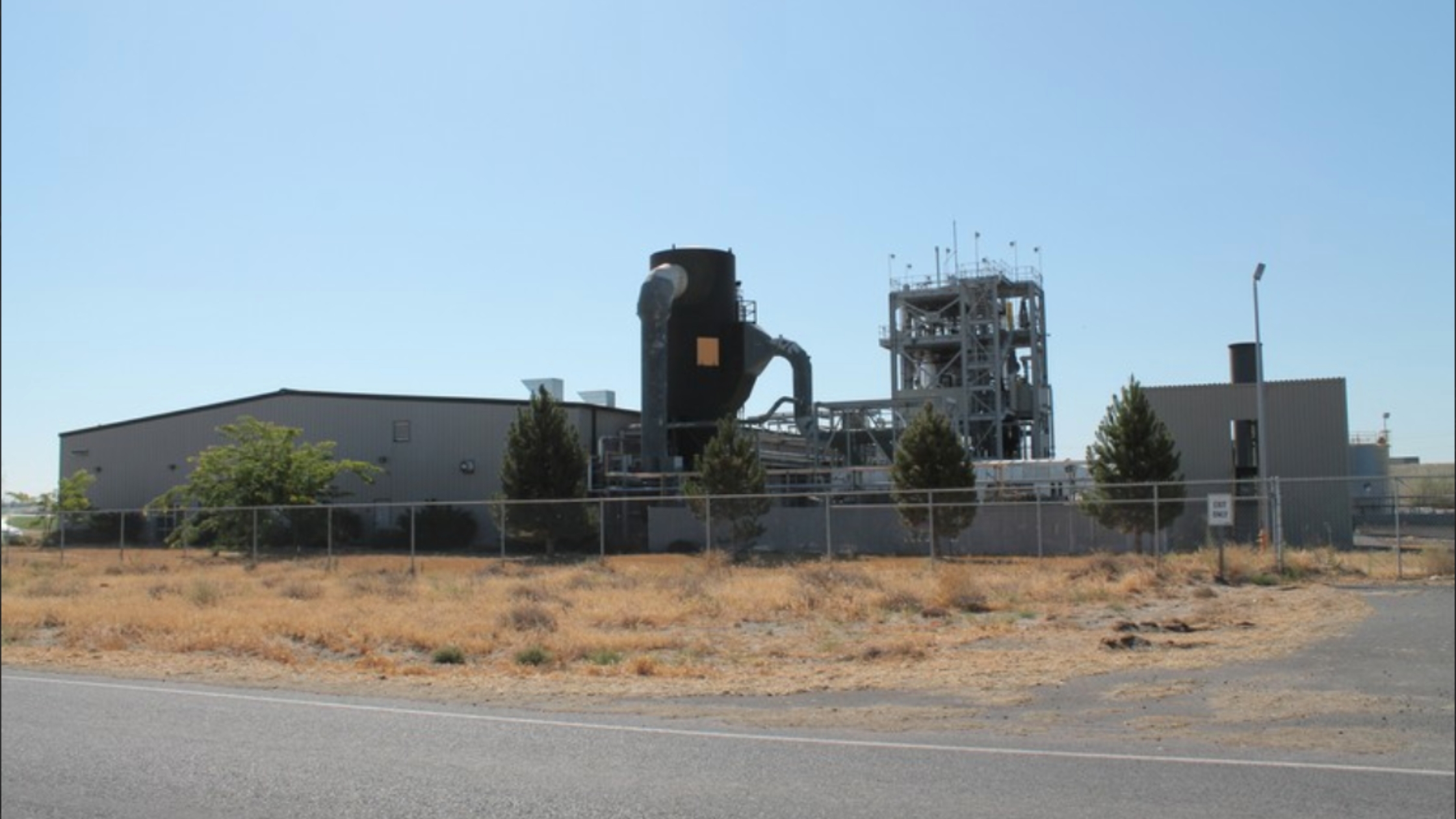
Spring is often when decisions start moving faster. With more daylight, improved site access, and pressure building ahead of summer, it's a smart time to assess what's sitting idle. We see this every year. Plants that paused operations over winter begin preparing for the next steps. Lenders circle back to asset-based loans. Agencies review on record foreclosures. And across the board, there's one common action that keeps momentum going, starting with a good inventory review.
That’s where industrial liquidation experts come in. A guided review doesn’t just add structure; it brings practical insight into how assets look today, what’s functional, and how things stack up for sale or relocation later. When there’s uncertainty from a closure or recovery effort, we use these early reviews to set direction, sort priorities, and reduce unwanted surprises down the line.
Setting the Stage: Why Inventory Reviews Matter
Inventory reviews matter most when the transition is already in motion. Whether a facility is closing down, refinancing, or responding to a default, inventory records are rarely a reliable snapshot. Machines may have been moved, documentation may be outdated, and what’s actually usable may not match what’s on file.
When we step in to help conduct a thorough inventory review, we’re looking to bring clarity. There are a few things that usually surface during these projects, and they can have a real impact:
• Unused or overlooked equipment with resale value
• Assets with damage that won’t be viable for listing
• Equipment tied to permits or leases that change selling conditions
• Obsolete parts or spare gear that could be grouped into larger lots
Once we produce a full view of what's there and what condition it's in, it's much easier to move ahead with accurate valuations or choose the right strategy.
What Experts Look for During an Asset Review
Every location has its quirks. Some sites have large footprints with half-used space. Others have tight zones filled with specialty systems. That’s why inventory reviews aren’t one-size-fits-all.
We start with the equipment itself. How worn are the machines? Are control panels modern, or do they show years of deferred updates? Just as important, do they still run?
• Asset condition and remaining usability
• Market interest and current resale environment
• Supporting documents like manuals, titles, and service logs
Logistics also matter. Can the site be safely accessed? Will the equipment need special lifting or partial disassembly? Does the time of year impact access? Spring usually gives us a better window to work. Roads are clearing, ground conditions are improving, and utilities are more stable. That timing can influence which items we recommend listing now, and which might need staging time or summer prep.
How Expert Review Supports Lenders and Agencies
When lenders or public agencies contact us about a site, the stakes are often higher. They’re managing USDA or SBA obligations, or they need to know if recovery will justify the effort. These reviews aren’t only about checking boxes. They’re about giving a trusted report that delivers facts clearly and quickly.
Bringing in industrial liquidation experts helps with that. We speak the language of assets, but we’re not emotionally tied to the property or equipment. That’s why our reviews tend to support better outcomes:
• Asset lists sorted by functional value and current condition
• Photos that reflect staging reality, not just file images
• Recommendations that factor in season, site limitations, and market timing
For government agencies or banks reviewing collateral value, this type of third-party review brings transparency and helps clarify options, whether that’s auction, sale, or continued holding.
Best Timing and Seasonal Considerations
We see it every year. Spring is when things open up, literally. Snow piles melt, doors unstick, and outdoor tanks or trailers become accessible again. That gives a clear advantage to reviews that happen now instead of mid-summer.
Spring gives us flexibility. Whether the goal is a Q2 listing or an early summer auction, this period offers room to plan, fix, and organize. When reviews begin late, we lose that window. By then, many critical sites are booked with maintenance crews or early-staged listings, which makes prepping harder.
• Early reviews let us sort repair needs, missing paperwork, or removed utilities
• Spring access avoids midsummer heat stress or last-minute staging risks
• Q2 schedules often give enough buffer to match buyer demand during peak season
Planning now creates space to adjust if needed. And that’s easier than scrambling later to catch up.
What Comes Next: Linking Review to Disposition Strategy
A well-run review is never the end goal; it’s the setup. Once we’ve walked the property or gone through what’s stored, we can start building a custom strategy based on what we find.
Some assets may be ready to sell immediately, with no prep required. Others might need cleaning, reassembly, or compliance clean-up before they’re market-ready. When asset value is high, but systems are disconnected, timing that sale around repairs or new power access can make a difference.
• Grouping assets into turnkey lots or full-line packages when they make sense
• Matching timing to lender approvals or internal project timelines
• Recommending alternate paths for assets that need to wait or be sold directly
Reviewing assets with intention helps keep forward momentum stable, especially when a property is in active transition.
Better Reviews, Smarter Outcomes
When we walk into a facility and help someone sort out what they have, we often hear the same relief. "I didn’t realize how much was still here" or "I thought this was way worse." That’s what a guided inventory review does: it shifts decisions from guesswork to action.
Starting early in spring gives us room to move. We can spot logistical hold-ups, confirm staging needs, and give asset owners or lenders the information to make better, faster choices. This is the right moment to take stock. Before the heat sets in, before calendars fill up, before buyers start aiming at July deadlines. Know what’s worth listing soon, what needs more time, and what still has value that shouldn’t be overlooked.
At Maas Companies, getting the timing right during your spring review can make all the difference. Start aligning your plans with expert insights today. Our industrial liquidation experts can guide you through every phase of organizing assets and developing your strategy. Whether dealing with plant closures or loan-related equipment evaluations, let us help you transform uncertainty into actionable strategies.