

Blog
How to Navigate a Biomass Plant Auction Without Surprises
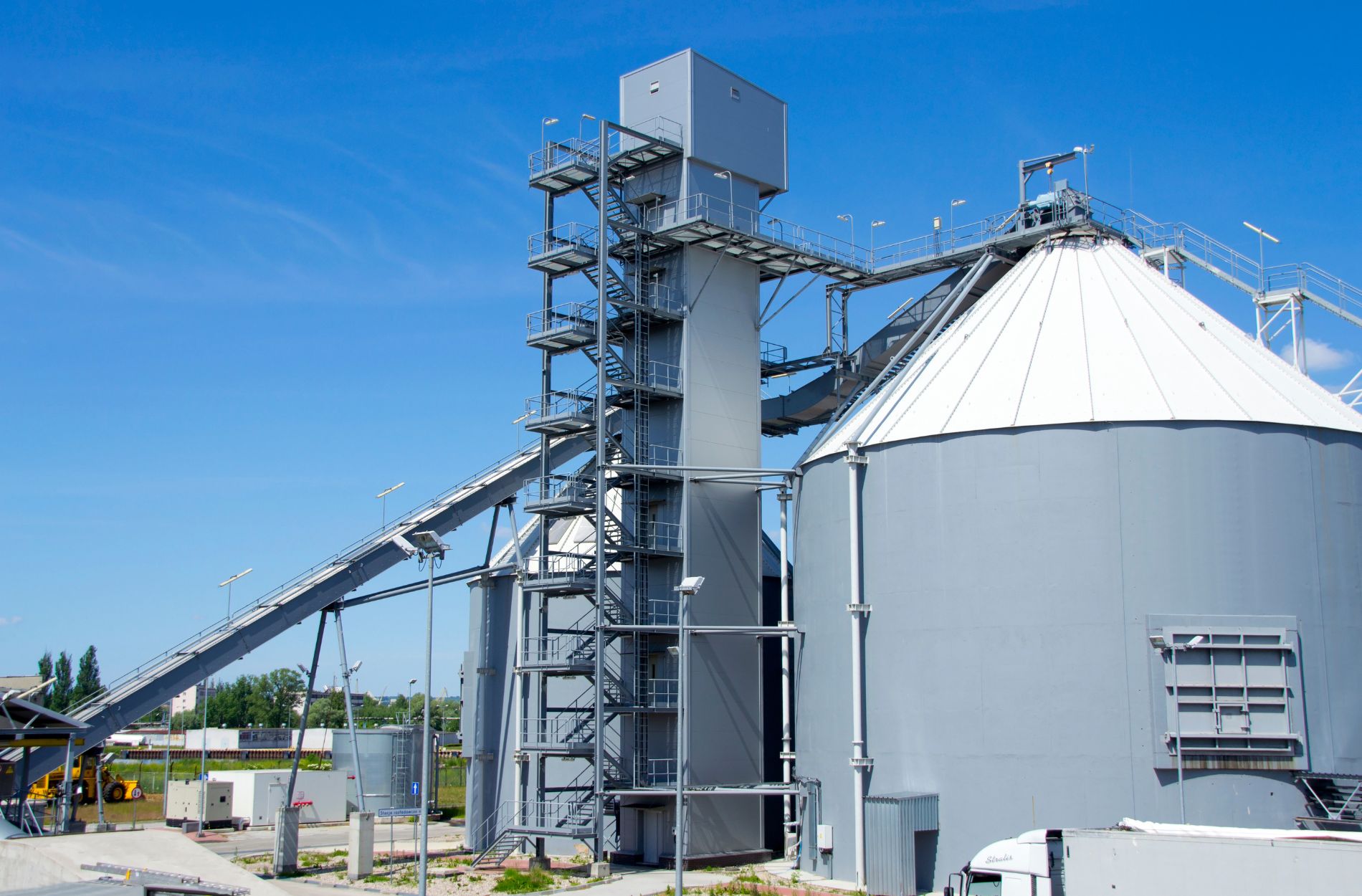
A biomass plant auction isn't something you want to enter without a plan. These projects can move fast, involve large-scale equipment, specialty infrastructure, and surprise you with delays if you're not careful. We've seen how setbacks with asset lists, inspections, or permitting can lead to missed opportunities and lower recovery values. Whether you’re managing the sale as a lender, investor, or operator, it helps to understand what to expect. Here’s how we think about keeping that process clean, structured, and free of last-minute complications.
Understand the Unique Challenges of Biomass Facilities
Biomass plants don’t sell like a typical warehouse or office property. Most of the value lies in systems designed for a specific feedstock and region. That includes custom boilers, conveyors, drying drums, processors, and emissions controls. Many of these parts are hard to value without accurate maintenance records or current operating data.
Environmental considerations can also be tricky. Past permitting, discharge compliance, or storage tanks may come with disclosure requirements or clean-up obligations. These need to be identified well before auction announcements go live.
From fuel stockpiles to third-party utility hookups, small missed details can create real friction. We always recommend:
• Reviewing all feedstock, chemical, and byproduct inventory
• Evaluating interconnection agreements for water, gas, power, or rail
• Flagging records related to permitting and regulatory filings
These steps keep surprises low, so the selling timeline stays on track and the buyer pool stays interested.
Prepare the Site and Assets for Auction Visibility
When auctions run during colder months, weather can interfere in more ways than one. Icy conditions can slow down site prep or block trucks from reaching heavy equipment. It can also sneak into staging work if outdoor yards haven’t been cleared, or if storage buildings aren’t weather-tight.
That’s why it pays to get a visual plan in place ahead of inspection season. Buyers look for clear equipment images, system overviews, and staging layouts they can review online before they ever step foot on-site.
Here’s what helps make that easier:
• Clean and pressure wash all outdoor and indoor equipment
• Create and label equipment tags tied to a master list
• Organize key items indoors if possible, especially electronics
• Provide detailed schematics and service records in an online vault
When buyers can see what’s being sold clearly, and how each system connects to the next, they’re more likely to engage early and come prepared.
Coordinate Equipment and Real Estate Disposition Together
A biomass plant auction works best when all moving parts connect. That means making sure the real estate and equipment timelines are in sync. Too often, we see one side move forward while the other drags behind.
If a plant has good bones and might be reused, a buyer may want to purchase the real estate along with core systems intact. In other cases, a buyer may only want the equipment, but timing access for removal still depends on the property sale closing.
To keep the process moving smoothly, we recommend:
• Deciding early whether to group or separate equipment and property
• Offering sale structures that work for both end users and equipment buyers
• Planning pre-auction site visits to allow full inspections of all areas
Clear messaging across both asset classes avoids confusion. And it can help remove friction when buyers start reviewing bids, asking about removal windows, or lining up financing.
Plan Around Winter Timing and Q1 Buyer Behavior
Late January through March can be a quieter stretch operationally for many facilities. That downtime can work in our favor if we prepare for it. Some buyers aren’t in active production mode yet, making them more available for site visits and asset reviews.
At the same time, cold weather or early snow can slow down outdoor efforts. It's smart to schedule any power washing, labeling, or debris removal before a major deep freeze hits.
Digital auctions can help make up the difference. These formats give buyers across the country more flexibility if they can’t travel easily during early Q1. Still, whether bidding happens online or on-site, buyers want to see full packages and trust that everything has been accounted for.
Here’s what tends to work best in winter sales:
• Batch promotion and inspections in tight blocks to keep momentum
• Use detailed asset photos and video walk-throughs for remote review
• Map out potential removal routes for safe transport after the sale
By thinking about buyer bandwidth and adjusting schedules before snow starts blowing sideways, we stay ahead of unnecessary delays.
Avoid Common Auction Pitfalls Through Expert Planning
The most common issues aren’t dramatic, they’re just avoidable. Missing asset tags, unclear ownership documents, or incomplete listings tend to slow everything down. Buyers back out, timelines stretch, and site security costs mount with each extra week that goes by.
We’ve found the following practices help avoid that slide:
• Build a full asset inventory early with photos and documentation
• Verify any lease or lien issues well before listing
• Confirm property boundaries, utilities, and maintenance needs
• Keep all bidders informed with the same up-to-date materials
Everything works better when all stakeholders, from property managers to attorneys to lenders, are talking from the same playbook. When communication drops or timelines drift, the clean hand-off a buyer expects can start to fall apart.
Planning early means fewer rushed decisions later. That’s how we can protect outcomes and keep the auction focused on value, not uncertainty.
Clear Process, Better Results
We’ve seen how the best biomass plant auctions come down to how well the preparation phase is handled. Not just in big ways, but in the fine details that build trust and drive bids. Getting equipment staged, paperwork gathered, and timelines aligned gives buyers confidence to participate.
Maas Companies has managed complex biomass plant sales throughout the United States, using targeted digital marketing, international outreach, and proven auction formats to maximize exposure and recovery. Our team brings decades of experience guiding auctions for renewable fuels and power generation facilities, coordinating plant and equipment disposition for owners, lenders, and receivers. There’s enough complexity in these sales already without adding last-minute changes or conflicting information. When each step of the process is laid out in advance, there’s more room to adjust if needed and more runway to reach a stronger sale.
A smooth transaction doesn’t just happen. It starts with structure, moves forward with shared planning, and finishes well when everyone stays connected. That’s how we handle auctions without surprises.
Unlock the full potential of your biomass plant auction with the expert guidance of Maas Companies. Our seasoned team is equipped with the knowledge and experience to navigate the complexities of these sales, ensuring every detail enhances value, attracts serious bidders, and maintains a streamlined timeline. Reach out today to discover how we can tailor a comprehensive auction strategy that aligns with your specific goals and maximizes your asset recovery.