

Blog
Is Equipment Auction Services Better Than Long-Term Storage?
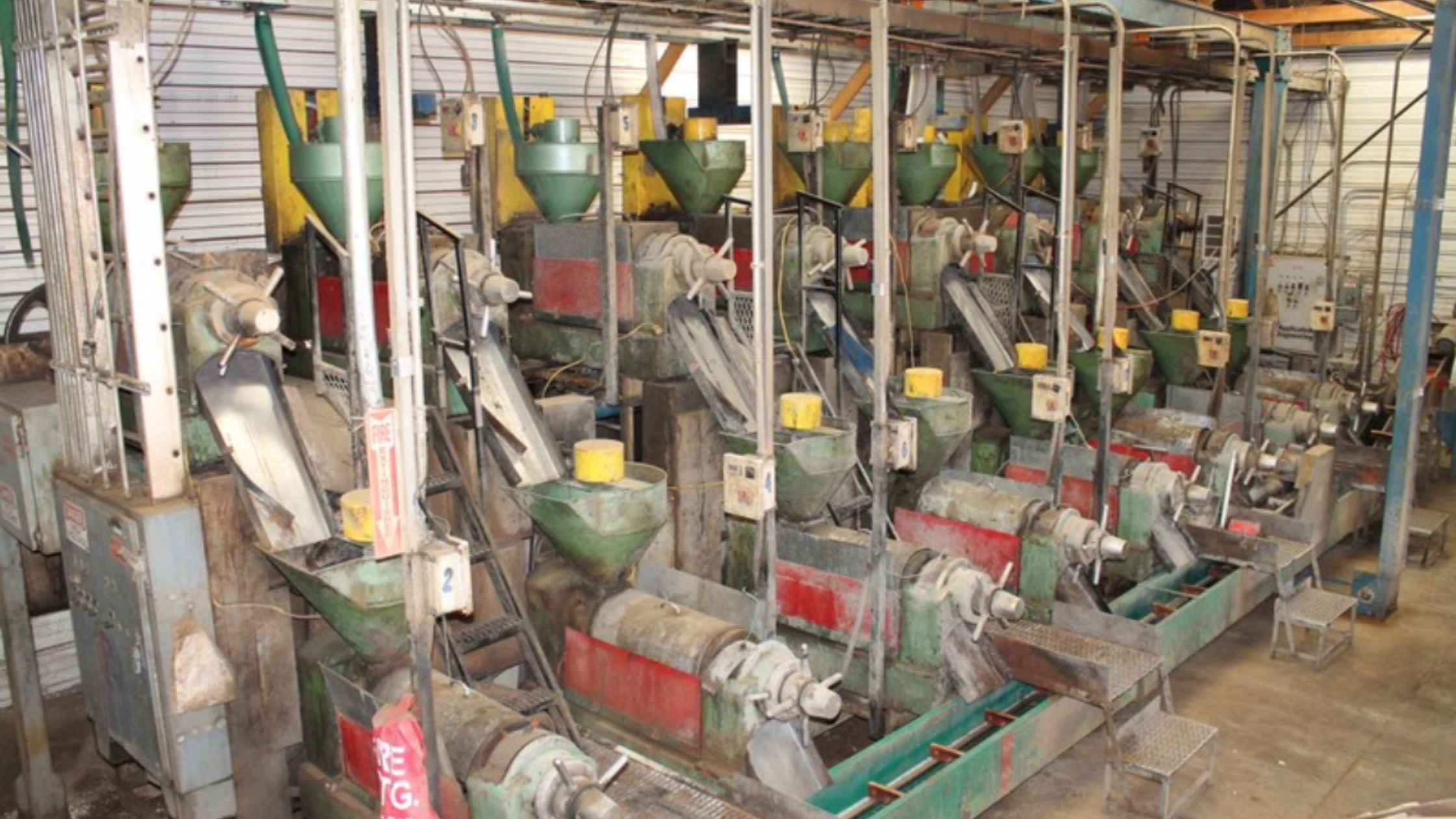
When a facility shuts down or reorganizes, there’s often one nagging decision left behind: what to do with the equipment. Some owners lean toward keeping it in storage, thinking conditions or values might improve. Others weigh using equipment auction services as a more direct path to clear space and recover funds.
Late winter is an especially practical time to make that call. Steps taken now can help avoid delays when spring projects ramp up. Deciding sooner, rather than waiting until everything thaws out, can make a big difference in how that equipment performs at auction or how long it sits unused, losing value.
As this decision sits on the table, it's important to weigh not just the immediate convenience but the effects of time, environment, and market momentum. Whether a closure happened unexpectedly or as part of a strategic shift, surplus gear is both an opportunity and a potential liability. Managers and owners who move purposefully can avoid a slow drift into wasted value.
The Risks of Long-Term Equipment Storage
Storage might look safe on the surface, but it carries problems that build up slowly. Equipment left sitting can accumulate dust, moisture, and age at the same time. Things wear out even when they're not in use.
Tires crack, fluids break down, and electrical parts can corrode
- Weather exposure, theft risk, or pest damage sneak in over time
- Insurance and security costs quietly eat away at any value being saved
- Long-term storage takes up room that could be used more productively
When a piece of equipment eventually comes out of storage, surprises are common. Corrosion, dead batteries, missing parts, or lapsed tech can make restarting harder than expected. That lost time often turns into lost dollars.
In practice, long-term storage doesn't just affect the equipment's physical condition; it also tends to complicate later decisions. Sometimes equipment stored in a warehouse is forgotten, and over time, documentation is misplaced, keys go missing, or service records become incomplete. Maintaining organized, accessible facilities for items not in active use consumes valuable resources, from warehouse space to administrative attention.
Why Timing Matters in Equipment Sales
Many buyers use late winter to get set for the second quarter. That includes planting, expansion projects, and equipment upgrades. Listing machinery now means it’s landing in front of people ready to act.
- Auctions run in February or March often match buyer planning cycles
- By spring, the market can shift as more equipment floods listings or buyers wrap up purchases
- Equipment looks better to buyers when it’s still staged and functional, rather than half-forgotten in storage
This timing works both ways. Equipment owners can catch momentum, while buyers have time to inspect, bid, and schedule removal before the busy season begins.
Choosing the optimal moment keeps you in step with market demand, making it easier to capture top dollar. Conversely, postponing a sale can push assets into a crowded field where more sellers are competing for the same buyer pool.
As new models or technology emerge and buyer urgency fades, leftover equipment might only appeal to bargain hunters. By acting in the narrow window between winter and the start of major projects, sellers align their opportunities with active, prepared buyers.
How Auctions Help Preserve Asset Value
Once gear starts gathering dust, it loses appeal. That slide is hard to stop if months go by without inspections, cleaning, or marketing.
Using equipment auction services prioritizes value preservation throughout the process.
- Equipment gets photographed, documented, and listed while it’s still in strong working condition
- More buyers see it when details are fresh and current
- Auctions create urgency that storage simply can’t
The window between “ready to sell” and “shows signs of neglect” can be short. Acting quickly prevents equipment from looking like a leftover.
In addition, the competitive environment of an auction harnesses the power of market demand. Rather than waiting for a few buyers to trickle in over months or years, auctions bring more eyes to the table. This concentrated interest tends to push outcomes higher than listing piecemeal or holding out for the possibility of speculative future gains. Details are accurate, and buyers know they can trust the information provided during the auction process.
When Storage Might Still Make Sense
There are times when holding back is better, but those are usually narrow cases.
- Legal disputes, lien issues, or pending business deals may require a pause
- Some equipment is too large or too season-specific to move right away
- Short-term delay can make sense, especially if transport or snow clearance is a factor
Even then, it often helps to prep early. We recommend creating draft materials, photos, or inventory lists so that when the time comes, things move quickly. Early steps can shorten that wait when clearance finally arrives.
Owners can also use downtime for deep cleaning, minor repairs, or retooling assets to broaden market appeal. When circumstances change, your team will have all the required details and documentation at hand, making it far less stressful to move equipment to market quickly.
Comparing Short-Term Pain vs. Long-Term Hold
Many sellers hesitate to start the auction process. It feels like a rush, especially if closure or restructuring is still fresh. But pushing through that early decision often prevents complications later.
- Auction clears physical space faster than storage
- Waiting invites slow decay and ends up earning less
- Lenders and asset managers often favor controlled exits over drawn-out holding patterns
When decisions are delayed, more variables come into play. That includes weather damage, fewer seasonal buyers, and shrinking asset values. Selling sooner reduces those risks.
While there’s a temporary strain on staff and schedules as people work to document, stage, and list items for auction, the alternative is ongoing management and steadily rising costs. Each month spent with unused equipment on-site is a month in which value declines and liabilities can increase.
A Smarter End Before a New Season Starts
Late winter isn’t always convenient. Snow piles up. Access is harder. But that gap between winter slowdown and spring ramp-up offers a real opportunity. Selling now clears the backlog before spring projects start demanding attention. It means fewer regrets when stored equipment becomes harder to sell or more expensive to move.
Taking decisive action closes the chapter on surplus equipment smoothly. Rather than waiting for better conditions or hoping values will rise, acting in the pre-spring window brings rewards in the form of greater liquidity, reduced stress, and more predictable project transitions. Buyers have a chance to plan ahead, while sellers enjoy the confidence that comes with a finalized schedule and clean facilities, free of forgotten gear.
Maas Companies coordinates equipment liquidation and surplus asset auctions for clients nationwide, including banks, plant owners, and government agencies. Our team leverages targeted digital campaigns and on-site management to sell energy, construction, and manufacturing assets quickly, no matter the season.
Storing equipment can feel like the easier option in the moment, but it often delays the necessary work and brings more headaches later. Knowing when to move forward, and how an auction can do more than storage ever will, helps protect equipment value and reset before the season gets busy.
Don’t let unused equipment drag down your operations and asset value. With Maas Companies, you can benefit from our efficient equipment auction services to bring your surplus gear to the right buyers at the right time. Our team ensures your assets are showcased while they're still in top condition, helping you recover funds and clear space before the busy season begins. Get in touch with Maas Companies today to secure a plan tailored to your needs.