

Blog
Understanding Government Asset Liquidation Options in 2026
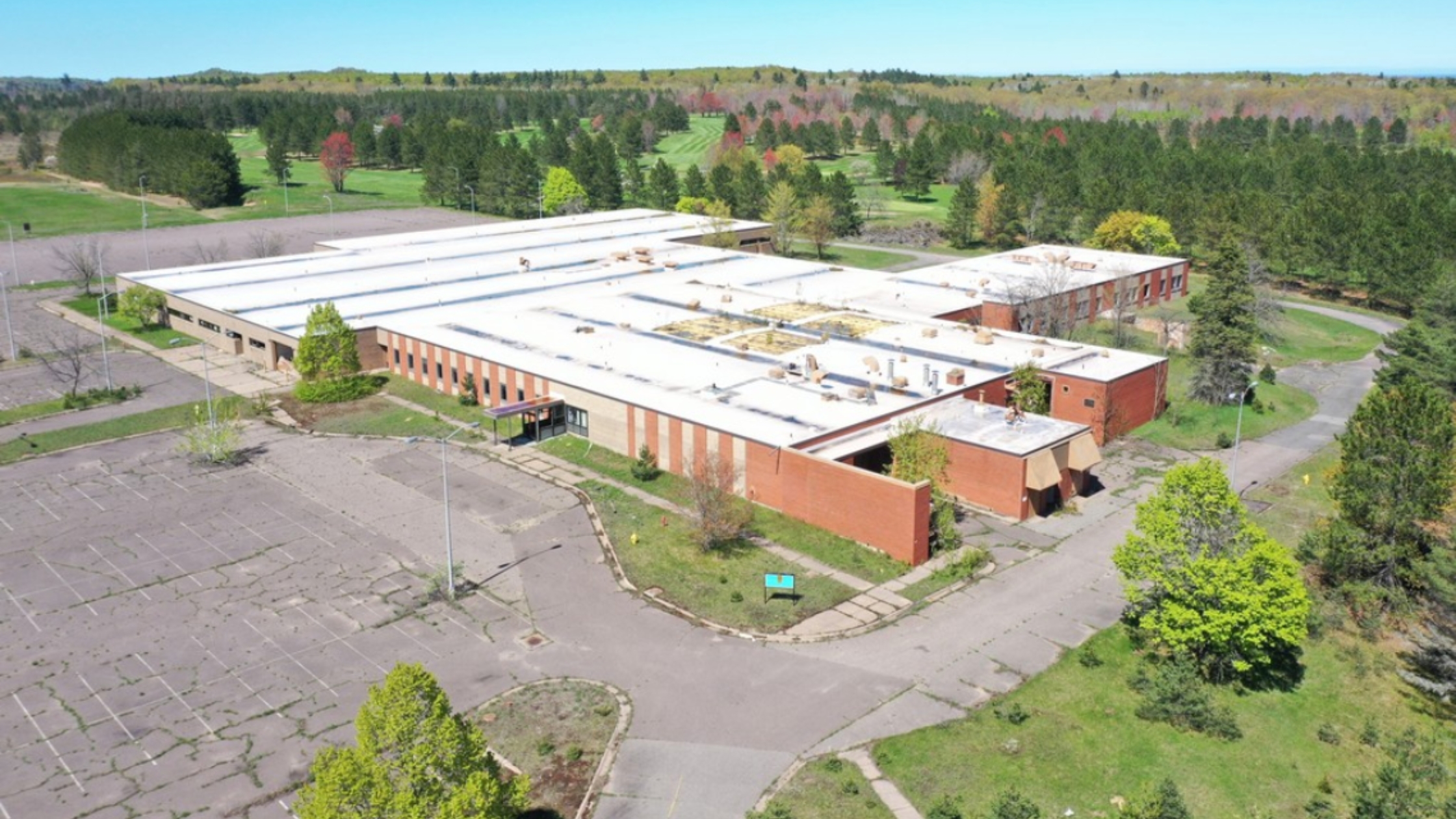
Government asset liquidation can feel like a long process, but getting ahead of it makes all the difference. From seized industrial facilities to foreclosed commercial properties, agencies at every level face real pressures to move surplus or distressed assets. These situations usually come with tight timelines and strict documentation requirements.
Whether it is a USDA-backed facility, an SBA recovery, or a court-ordered sale, most government-held assets are managed with a clear goal: reduce carrying costs and preserve value. But not all sales work the same way. Auction timelines, site prep, market demand, and even weather can affect how and when an asset moves. Planning wisely for government asset liquidation means knowing who owns what, how it can be sold, and when buyers are most likely to act.
Knowing Your Authority: Who Can Liquidate What
Before anything is listed or staged, agencies need to confirm who has the authority to sell. Federal, state, and local levels each work under different regulations and asset classes. Clarity on this front keeps the process smooth and compliant.
- Federal agencies like the USDA or the SBA can direct asset recovery following loan defaults.
- State authorities sometimes take control of industrial plants through public-private programs or forfeiture rules.
- Local governments often manage seized properties or idle infrastructure through legal channels.
If the asset is part of a bankruptcy or court ruling, a trustee or appointed receiver may serve as the selling party. Each situation has different documentation and public notice requirements. Knowing the chain of control early can prevent sales from stalling down the line. This step is especially important for heavy equipment or real estate with liens, as proper title and authorization must be in place before buyers are involved.
Auction vs. Brokered Sale: Choosing the Right Method
Once control is confirmed, the next big decision is method of sale. Government-held assets often need to move quickly, and that urgency makes auctions appealing. Auctions create momentum, provide public transparency, and allow market demand to guide pricing. In contrast, brokered sales may take longer and do not always attract the same level of interest, especially for specialized assets.
Asset type plays a big role here. Some categories tend to perform stronger at auction, including:
- Large-scale manufacturing or energy equipment
- Idle facilities with reusable infrastructure
- Industrial support gear like forklifts, pumps, or boilers
- Facilities in rural or seasonal areas with limited local demand
For these kinds of assets, competitive bidding can draw attention from buyers outside the region or even nationwide. Brokered sales may be better suited for niche properties with unique valuation requirements or limited buyer pools. In either case, choosing a method should reflect the agency’s timeline, reporting obligations, and the condition of what is being sold.
Preparing Government Assets for Sale
Proper prep makes or breaks government sales. No matter the channel, buyers look for clean, well-documented assets with clear records and photos. This takes advance effort, especially as spring approaches.
Site control and safety come first. If a facility has sat idle for months, start with walk-throughs and lock-down of access points. Then lists need to be built, covering everything from serial numbers to title documents for movable assets. For auctions planned in spring, try to shoot photos while snow is still on the ground, before spring thaw turns gravel lots into mud traps.
Here are a few key prep steps:
1. Confirm chain of title early, including for equipment that may require tagged transfers.
2. Assign internal staff or vendors to clean out debris and secure property.
3. Take clear photos of high-value assets before weather limits access or visibility.
4. Organize staging areas that allow safe walk-throughs and hauling on hard surfaces.
Spring planning requires close attention to ground conditions. Some states have frost laws or temporary weight limits during thaw season, which can interrupt hauling schedules. When sales are timed poorly, buyers may hesitate, especially if access or rigging becomes risky. Starting prep in late winter gives crews time to get in, document everything, and get out before roads soften or weight limits take hold.
To make inspections possible and appealing, agencies should clear walkways and make sure doors and gates function. Visible assets attract serious bidders, so labeling items, creating accurate inventory lists, and ensuring access to all major equipment can improve results. Regular communication with any property managers or site caretakers helps maintain coordination and avoids misunderstandings when buyers or contractors arrive for inspections.
Timing the Sale: Why Spring 2026 Matters
Spring is one of the most active windows for government asset sales. For agencies working under fiscal constraints, Q1 and early Q2 are key periods to close out files, shift holding costs, or meet funding obligations. In agriculture-heavy regions, spring is the last chance to catch market attention before planting season takes full focus.
Buyers tend to become more active in spring too. Warmer weather improves travel and shipping options, while annual budgets are clearer. Auctions held in March and April often attract buyers looking to deploy capital early, especially for equipment or facilities that support seasonal ramp-ups midyear.
Some benefits of spring sale timing include:
- Fewer access delays from snow or frozen ground
- More predictable travel and inspections
- Early fiscal-year planning availability for buyers
- Increased haul-out potential before summer road bans
When government properties are sold too late in spring, there is added risk of overlapping with construction season or fiscal-year tick-downs. That is when rush deals, missed steps, or reduced turnout can hurt final proceeds. By planning now for a spring 2026 sale, agency managers can keep things in motion before those windows start to close.
These seasonal factors interact with project timelines and agency priorities. Policies regarding public notice, minimum bid requirements, and buyer qualifications often dictate lead times for auctions or brokered sales, so starting preparations early keeps agencies nimble if new mandates or requests arise as the sale date approaches. Regular review of weather trends and regional logistics can avoid last-minute disruptions.
Smart Outcomes Start with Good Planning
Planning ahead impacts results. Before a property hits the market, understanding who controls it, what is being sold, and why it needs to sell creates confidence for everyone involved.
Spring 2026 gives government agencies a strong window to act before budget cycles or weather issues muddy the process. Getting the right people involved early and thinking through the asset’s condition supports smarter, more informed sale decisions. Every case is different, but selling right often starts with a look at when and how sale conditions line up for the best results.
Ready to make strategic moves in your agency's asset management for Spring 2026? Maas Companies specializes in offering government asset liquidation solutions tailored to local, state, and federal needs. Our team ensures timely compliance and maximized value for every asset type, from plant facilities to commercial real estate. Reach out to Maas Companies today to start planning a seamless and successful sale that aligns with your agency’s goals.