
Blog
Surplus equipment sale guide: maximize asset recovery fast
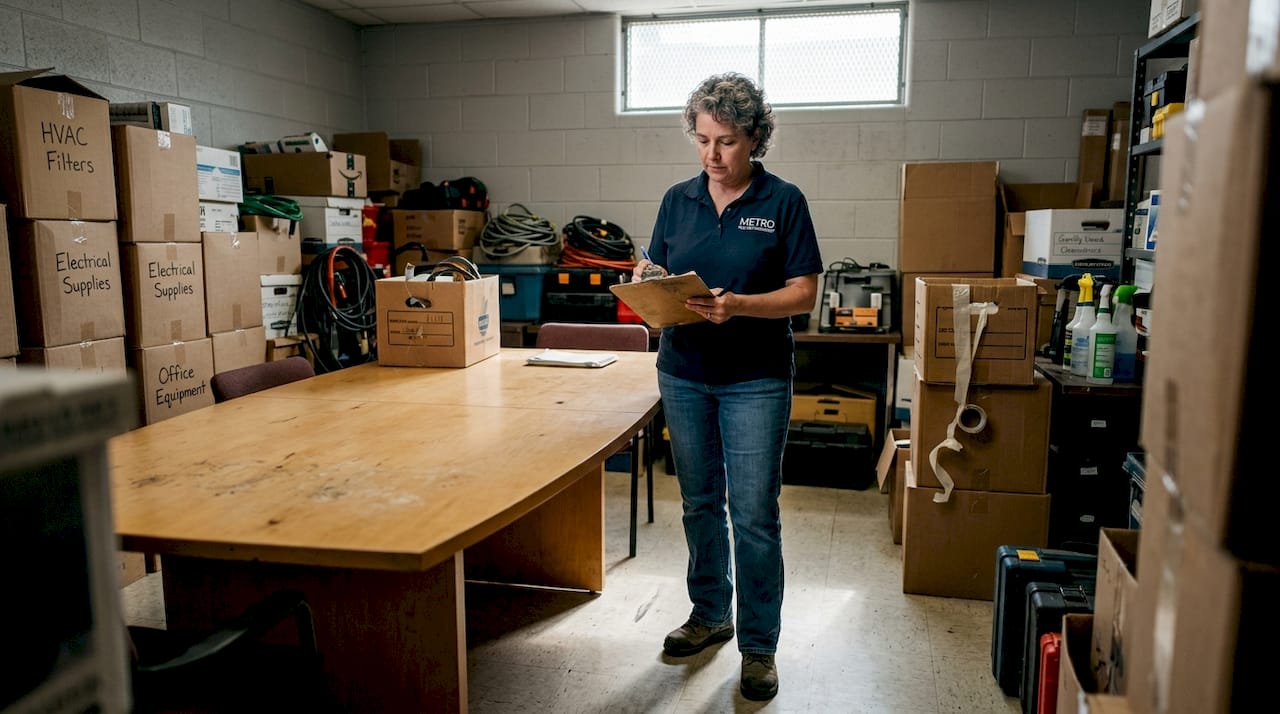
Surplus industrial equipment sitting idle is not a neutral situation. Every month an asset goes unused, its market value erodes through depreciation, obsolescence, and shifting buyer demand. Most manufacturing organizations recover only 28-35% of original book value when they sell surplus assets without a structured plan. The good news is that with the right preparation and process, recovery rates can climb to 40-50% or higher. This guide walks financial decision-makers through every critical step, from initial inventory to final close-out, so you can protect your organization’s balance sheet and move assets efficiently.
Table of Contents
- Why smart surplus equipment sales matter
- Preparation: Set the stage for maximum return
- Step-by-step surplus equipment sale process
- Choosing the best sales method: Auction vs private sale
- Common pitfalls and mistakes to avoid
- Maximizing results with professional recovery services
- How Maas Companies streamlines surplus equipment sales
- Frequently asked questions
Key Takeaways
| Point | Details |
|---|---|
| Preparation pays off | Building an organized inventory and securing appraisals can increase your recovery rate from 28-35% to 40-50%. |
| Choose the best sales method | Auctions are fastest, but private sales often yield higher returns if time allows. |
| Avoid costly mistakes | Act before assets lose value and factor in all costs like buyer premiums and rigging to maximize net recovery. |
| Professional help boosts ROI | Asset recovery services can deliver returns over $20 for every $1 spent by optimizing outreach and compliance. |
Why smart surplus equipment sales matter
Before diving into the process, it is critical to understand the stakes and potential upside when selling surplus assets. Idle equipment is not just a storage problem. It generates carrying costs, ties up capital, and loses competitive market value with each passing quarter. For manufacturing and industrial organizations managing restructuring or surplus inventory, the financial impact of a poorly executed sale can be significant.
The numbers tell a clear story. Equipment liquidation typically recovers 28-35% of original net book value under standard conditions. With thorough preparation and professional guidance, that figure can improve to 40-50%. That gap represents real dollars on your organization’s books.
Financial decision-makers who want to maximize ROI from equipment sales need to treat surplus asset disposition as a structured business process, not an afterthought. Consider what a disciplined approach delivers:
- Higher realized prices through competitive buyer pools
- Reduced carrying costs by shortening the sale timeline
- Better compliance documentation for audits and lender reporting
- Improved recovery value for lenders and special asset managers
- Cleaner facility transitions with fewer residual liabilities
“A structured, proactive approach to surplus equipment sales consistently outperforms reactive or ad hoc liquidation in both speed and recovery rate.”
Preparation: Set the stage for maximum return
Once you recognize why smart sales are essential, you need a preparation framework that minimizes risk and maximizes recovery. Preparation is where most organizations either gain or lose significant ground before a single asset is ever marketed.
The foundation is a comprehensive asset inventory. For each item, document the make, model, age, condition, original cost, and current net book value. This data drives every downstream decision, from pricing to channel selection. Preparation steps including full inventory with cost, age, condition, and book value are consistently cited as the highest-impact actions before any sale.

Once the inventory is complete, segment your assets into categories:
| Segment | Criteria | Recommended action |
|---|---|---|
| High value, good condition | Recent vintage, low hours | Private sale or targeted broker outreach |
| Moderate value, fair condition | Some wear, functional | Auction or online marketplace |
| Low value or specialized | Obsolete, niche application | Scrap, donation, or specialty buyer |
| Urgency-driven | Lease expiry, facility closure | Auction with accelerated timeline |
For high-value or specialist items, commission professional asset recovery services to conduct formal appraisals. An independent valuation protects you from underpricing and gives buyers confidence in the asking price.
Pro Tip: Organizations that begin the preparation process 90 or more days before a planned facility closure consistently achieve higher recovery rates than those that start under deadline pressure. Early prep avoids forced liquidations and gives you leverage in negotiations.
Aligning your liquidation strategies with a clear asset segmentation plan is one of the most effective ways to protect recovery value from the start.
Step-by-step surplus equipment sale process
With your assets prepared and organized, you are ready to follow an industry-proven, step-by-step sale process. The six-phase process used by asset disposition professionals covers every stage from identification through final reporting.
- Identification: Catalog all surplus assets across every facility location. Include assets that may be in storage, on loan, or partially disassembled.
- Evaluation: Assess each asset’s condition, remaining useful life, and current market demand. Use maintenance records and operational history where available.
- Segregation: Physically separate surplus assets from active production equipment. This prevents confusion, reduces liability, and signals readiness to buyers.
- Valuation: Assign fair market values using appraisals, comparable sales data, and current auction results. Avoid relying solely on book value, which rarely reflects actual market conditions.
- Disposition: Execute the chosen sale method, whether auction, private sale, or negotiated transaction. This phase includes marketing, buyer vetting, and transaction management.
- Close-out and reporting: Document all transactions, transfer titles, and prepare final recovery reports for lenders, auditors, or internal stakeholders.
For the disposition phase, review your auction disposition overview to understand which format fits your timeline and asset mix. You can also review a completed negotiated sale process to see how private transactions are structured in practice.
Pro Tip: Always attempt internal redeployment before committing to an external sale. Transferring an asset to another facility or business unit avoids liquidation discounts entirely and preserves full book value.
Choosing the best sales method: Auction vs private sale
Once the overall process is mapped, it is time to select the sales approach that aligns with your goals and timeline. The two primary channels are auctions and private sales, and each carries distinct trade-offs.
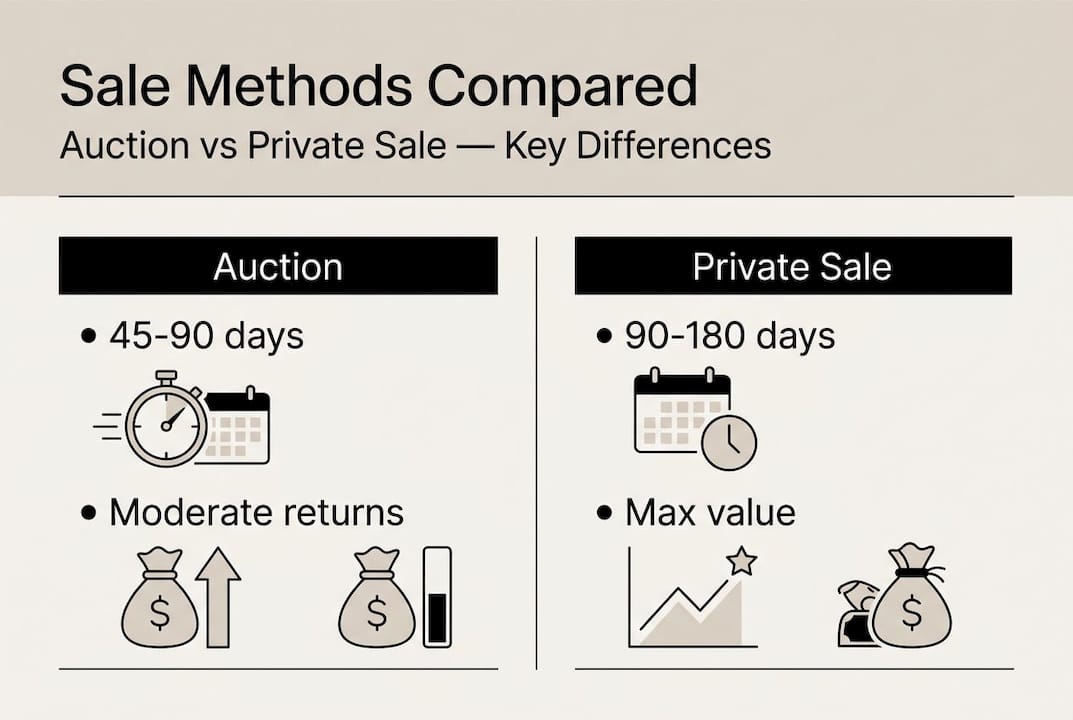
Auctions achieve moderate to high recovery rates within 45-90 days, making them the preferred option when urgency is a factor. Private sales take longer, typically 90-180 days, but offer higher potential recovery for well-maintained or in-demand equipment.
| Factor | Auction | Private sale |
|---|---|---|
| Timeline | 45-90 days | 90-180 days |
| Recovery potential | Moderate | Higher |
| Buyer competition | High | Negotiated |
| Cost factors | Buyer premium, rigging | Commission, marketing |
| Best for | Urgent timelines | Premium assets |
One critical cost consideration: hammer prices in machinery auctions run 15-25% below private retail. Factor in buyer premiums and rigging costs when calculating net proceeds. These deductions can meaningfully reduce your actual recovery if not accounted for in advance.
Key factors to weigh when choosing your channel:
- Asset condition and buyer demand in the current market
- Your organization’s timeline and carrying cost exposure
- Whether the equipment appeals to a broad or niche buyer pool
- Lender or stakeholder requirements for documentation and speed
Review equipment auction timing considerations before committing to a format. For reference, completed private sale examples illustrate how negotiated transactions are structured for industrial equipment.
“The right sale channel is not always the fastest one. Matching method to asset type and timeline is what drives optimal recovery.”
Common pitfalls and mistakes to avoid
Even with good preparation and smart method selection, recovery can falter due to avoidable mistakes. Financial decision-makers should be aware of the patterns that consistently erode sale results.
Idle equipment loses value over time, and delaying the structured review process accelerates that loss. Organizations that wait until a facility closure is imminent often find themselves accepting below-market offers simply because time has run out.
Common mistakes that reduce recovery rates:
- Delaying the process: Each month of inaction adds carrying costs and reduces market value.
- Insufficient documentation: Missing maintenance records, serial numbers, or title documents create buyer hesitation and lower offers.
- Rushing without exploring all channels: Accepting the first offer or defaulting to auction without evaluating private sale potential leaves money on the table.
- Ignoring total auction costs: Buyer premiums, rigging, and removal fees can reduce net proceeds by 20-30% compared to the hammer price.
- Overlooking internal redeployment: Assets transferred internally avoid liquidation discounts entirely.
Reviewing transition liquidation mistakes before you begin can help your team sidestep the most costly errors. A structured review process, started early, is the single most effective risk mitigation tool available.
Maximizing results with professional recovery services
For organizations that want maximum certainty and ROI, it is worth understanding the value brought by trusted asset recovery experts. Professional services are not simply a convenience. They are a measurable financial advantage.
Professional asset recovery services deliver returns exceeding $20 for every $1 invested. That return comes from a combination of broader market access, optimized marketing, vetted buyer pools, and rigorous compliance management.
What experienced recovery professionals bring to the table:
- Access to qualified industrial buyers across domestic and international markets
- Optimized marketing campaigns targeting the right buyer segments
- Formal appraisals and valuation support that protect against underpricing
- Transaction management including title transfer, compliance, and reporting
- Negotiation expertise that consistently improves final sale prices
For lenders and special asset managers, the liquidation ROI for lenders is particularly compelling. Professional management reduces timeline risk, improves documentation quality, and delivers higher net proceeds compared to self-managed sales. The investment in expert guidance pays for itself many times over in most industrial liquidation scenarios.
How Maas Companies streamlines surplus equipment sales
If you are ready to reclaim value from surplus equipment with expert guidance, Maas Companies offers tailored solutions for manufacturing and industrial organizations at every stage of the liquidation process.
Maas Companies has successfully managed a wide range of industrial asset sales, from a completed steam generator sale to a full zein extraction plant auction, demonstrating the depth of experience across diverse equipment categories and sale formats. Our aggressive marketing approach, combined with access to a global network of qualified industrial buyers, consistently delivers recovery rates above industry averages. Whether your organization needs a rapid auction solution or a carefully negotiated private sale, we structure each engagement around your timeline, asset mix, and recovery goals. Visit our sell industrial equipment page to start a conversation with our team.
Frequently asked questions
How much value can I recover from surplus industrial equipment?
With basic preparation, most organizations recover 28-35% of net book value. With professional guidance and a thorough process, recovery can reach 40-50% or higher depending on asset condition and market demand.
What is the typical timeline for selling surplus equipment?
Auctions generally complete within 45-90 days, making them suitable for urgent situations. Private sales typically take 90-180 days but tend to yield higher net proceeds for well-maintained assets.
Should I use an asset recovery firm or handle the sale myself?
Asset recovery services typically deliver over $20 in return for every $1 invested, covering process management, marketing, compliance, and buyer vetting. Self-managed sales rarely match those outcomes.
What are the main costs involved in selling surplus equipment?
In auctions, hammer prices run 15-25% below private retail, and buyer premiums plus rigging costs further reduce net proceeds. Brokered private sales involve commissions and marketing expenses that should be factored into your recovery projections.
How can I avoid the most common surplus sale mistakes?
Start the process early, build a complete asset inventory, and evaluate all available sale channels before committing. Idle assets lose value steadily, so a structured review initiated well before any deadline is the most effective way to protect recovery rates.
Recommended
- How Auctions Help Speed Up Industrial Asset Disposition | Blog | Insights on Asset Liquidation and Auction Trends
- How Auctions Help Speed Up Industrial Asset Disposition | Blog | Insights on Asset Liquidation and Auction Trends
- How Industrial Plant Liquidation Maximizes Recovery Value for Lenders | Blog | Insights on Asset Liquidation and Auction Trends
- Sell or Store? How to Decide on Surplus Equipment | Blog | Insights on Asset Liquidation and Auction Trends