

Blog
OSHA Safety During Inspections: A Guide for Employers
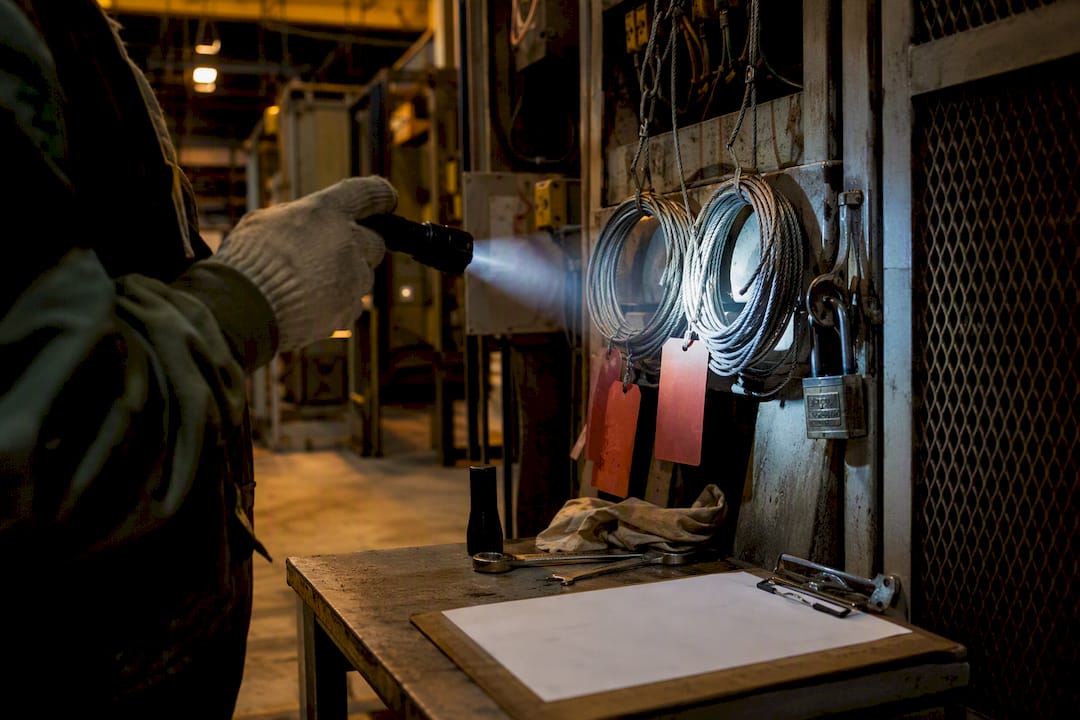
When an OSHA compliance safety and health officer (CSHO) arrives at your facility, designate one employer representative immediately, verify the officer’s credentials, and follow the opening conference before anything else happens. That single decision sets the tone for the entire visit. Everything else, from the walkaround to the closing conference, flows from how well you handle the first ten minutes.
Here’s the checklist to run through the moment a CSHO shows up:
- Verify CSHO credentials before allowing entry beyond the lobby.
- Ask for the inspection’s stated scope: complaint-driven, programmed, or referral-based.
- Select your representative on the spot, ideally a safety manager or plant leader who knows the facility cold.
- Tell employees who may be interviewed privately that participation is voluntary but expected in good faith.
- Start an internal log now, noting times, names, photos taken, and samples collected.
Pro Tip: Inspections are unannounced in almost all cases, and OSHA’s own guidance confirms employers can require a warrant when no exception applies. Refusing entry outright rarely serves you. Asserting your rights calmly while cooperating on safety usually does.
The verdict is simple: cooperate on safety, know your legal options on process, and never let confusion in the first few minutes cost you a citation later.
Key Takeaways
Handling an OSHA inspection well depends on immediate credential verification, organized records, calm cooperation, and disciplined documentation of every correction made.
| Point | Details |
|---|---|
| Verify credentials first | Confirm the CSHO’s identification and inspection scope before the walkaround begins. |
| Organize records in advance | Keep three years of OSHA 300 logs and training certifications ready to produce quickly. |
| Correct hazards on the spot | Fix imminent dangers immediately if safe, and photograph the correction for your file. |
| Know your deadlines | You have 15 working days to contest a citation once it’s issued. |
| Use free resources | OSHA’s On-Site Consultation Program offers no-cost, confidential reviews without citations. |
If your facility is approaching a closure, restructuring, or asset sale where compliance documentation and site condition matter to buyers and lenders, Maas Companies’ equipment brokerage and auction services can help you turn a well-documented site into a well-marketed one.
Table of Contents
- Why OSHA Inspects and How It Prioritizes Sites
- Preparing Before an Inspector Ever Arrives
- The Six-Step Inspection Process Explained
- Walkaround Rules: What to Do and What to Avoid
- What Happens After the Inspection Closes
- Rights and Responsibilities on Both Sides
- Where to Get Authoritative Guidance Right Now
- A Ready-to-Use Checklist and Scripts for Inspection Day
- Treat Inspections as a Diagnostic, Not Just a Risk
- Frequently Asked Questions
- Sources
Why OSHA Inspects and How It Prioritizes Sites
OSHA’s mission is preventing death and serious injury, not generating paperwork. That single objective explains why inspections follow a strict priority order rather than a random schedule.
- Imminent danger situations, where a hazard could cause death or serious harm right away.
- Fatalities and catastrophes, including any incident sending hospitalized workers to the hospital.
- Worker complaints, often filed anonymously through OSHA’s reporting channels.
- Referrals from other agencies, media reports, or local authorities.
- Targeted inspections in high-hazard industries with elevated injury rates.
- Follow-up inspections to confirm abatement of previously cited hazards.
OSHA covers the vast majority of the private-sector workforce under federal or state-plan jurisdiction, and its compliance officers conduct thousands of inspections annually across manufacturing, construction, and general industry. Knowing where your facility sits on that priority list tells you a great deal about what triggered the visit in the first place.
Preparing Before an Inspector Ever Arrives
Readiness starts long before a CSHO knocks. OSHA’s Field Operations Manual instructs compliance officers to review three years of injury and illness records before they even walk through your door, so your documentation needs to be assembled, not scattered across departments.
Build a standing folder that includes:
- OSHA 300, 300A, and 301 logs for the past three years.
- Training records tied to specific hazards, including respirator fit-test certifications.
- Written hazard assessments and job hazard analyses for each production area.
- Process safety management chemical inventories, if applicable to your operation.
- Facility maps, process flow diagrams, and a current organizational chart.
Assign one person as the designated representative and a second as backup for private employee interviews. Both need access to plant maps and process lists without hunting for them mid-inspection.
Pro Tip: Run a fifteen-minute mock walkthrough quarterly. Walk the same path an inspector would take, and pull the same records a CSHO would request. If your team can’t produce OSHA 300 logs within minutes during a drill, they won’t manage it under real pressure either.
The Six-Step Inspection Process Explained
OSHA inspections follow a predictable sequence: credentials, opening conference, walkaround, private interviews and document review, then closing conference. Understanding each step lets your team respond appropriately instead of improvising under stress.
- Presentation of credentials. The CSHO shows federal identification. Verify it, note the officer’s name and region, and record the time.
- Opening conference. The inspector explains the inspection’s scope and legal authority under 29 CFR 1903.7. Your representative should ask directly: “Can you confirm whether this inspection is complaint-driven, programmed, or a referral, and what specific areas fall within scope?”
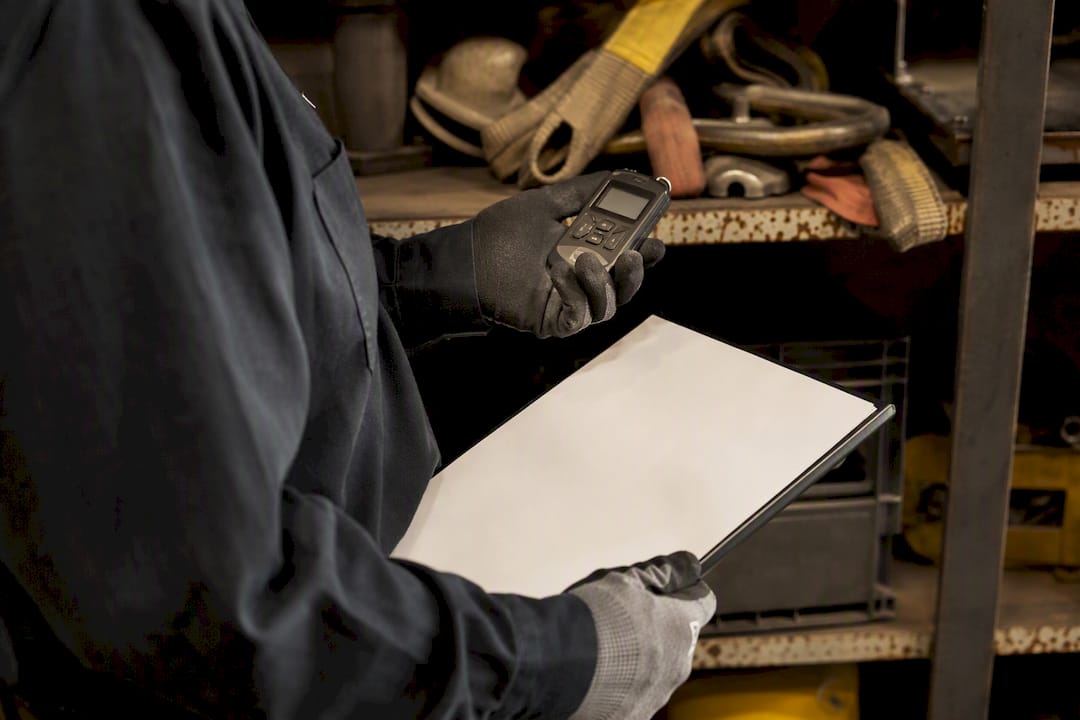
- Walkaround. The CSHO tours the facility, may take photographs, collect air or noise samples, and attach personal monitoring devices to workers. Your representative accompanies them at every step.
- Document review and private interviews. Records get requested here. Say: “We can have that document ready within the hour; may we escort you to a conference room while we retrieve it?” Employees selected for private interviews should hear a brief, neutral explanation of their rights beforehand, not coaching.
- Additional sampling or measurement, if the CSHO identifies exposure concerns during the walkaround.
- Closing conference. The inspector summarizes findings, discusses apparent violations, and outlines next steps, including potential citation timelines.
Because the Field Operations Manual directs CSHOs to begin the walkaround as soon as the opening conference ends, organizing records ahead of time is not optional. It is the difference between a smooth afternoon and a stalled inspection that drags into a second day.
Walkaround Rules: What to Do and What to Avoid
The walkaround is where most enforcement risk gets created or avoided. A few clear behaviors separate a well-managed inspection from one that spirals into extra citations.
| Do | Don’t |
|---|---|
| Accompany the inspector at all times | Leave the CSHO unescorted in any area |
| Fix imminent dangers on the spot if safe | Wait until the closing conference to address hazards |
| Point out completed training and controls | Volunteer unrelated deficiencies unprompted |
| Photograph and log any correction made | Touch, adjust, or remove inspector evidence |
| Answer questions factually and briefly | Coach employees before private interviews |
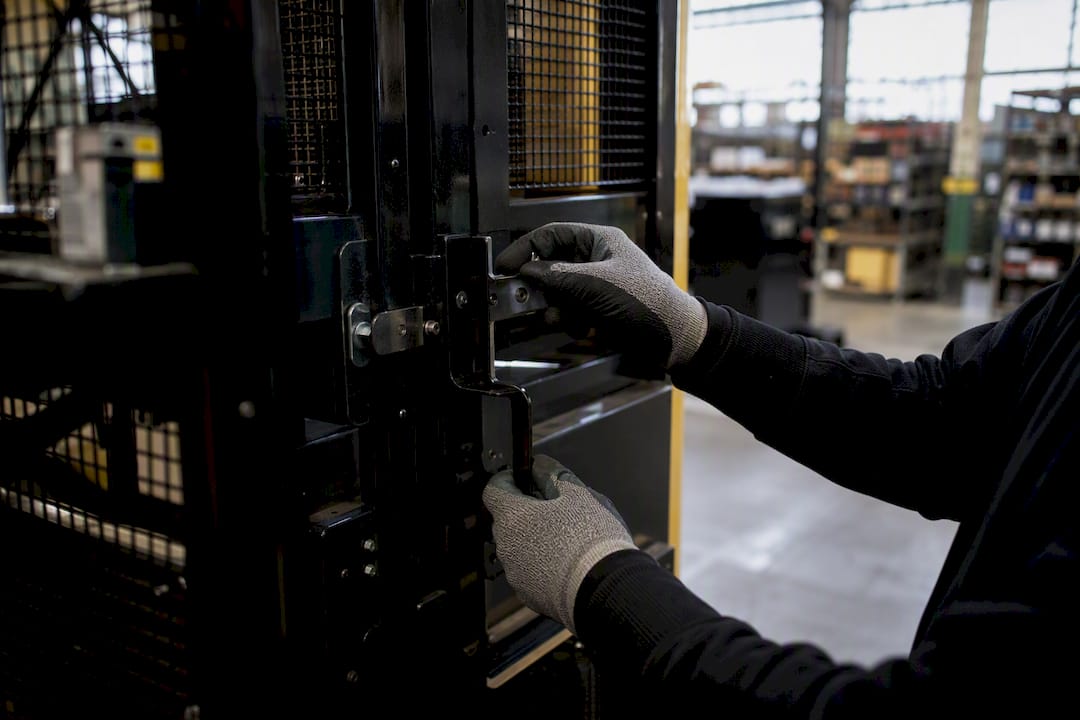
Pro Tip: If an inspector flags an unguarded machine or a blocked exit, correct it immediately if you can do so safely, then photograph the fix and note the time. OSHA’s own guidance acknowledges that prompt correction demonstrates good faith, even though the underlying violation may still be cited.
What Happens After the Inspection Closes
The closing conference is not the end of your exposure. OSHA must issue any citation within six months of the alleged violation, and once issued, you have exactly 15 working days to file a formal contest with the Area Director.
- Citation issuance. Written notice arrives describing the violation, proposed penalty, and abatement deadline.
- Classification matters. Violations fall into willful, serious, repeated, or other-than-serious categories, each carrying different penalty exposure.
- Preserve everything. Photos, correction logs, and training records from the inspection day become your evidence base.
- Build an abatement plan that meets the stated deadline, or request an extension in writing before it passes.
- Consider an informal conference with the Area Director before the 15-day contest window closes; many penalty reductions happen here, not in litigation.
Good-faith corrections made during the walkaround, along with employer size, can influence the final penalty amount. That is one more reason documentation matters as much as the fix itself.
Rights and Responsibilities on Both Sides
Employers retain real rights during an inspection: request a warrant when no exception applies, choose your own representative, receive a copy of any complaint when one exists, and protect legitimate trade secrets from disclosure. Responsibilities run the other way too. You must provide access to required records, follow your own posted safety rules, and correct imminent hazards without delay.
- Employees can request an inspection, speak privately with the CSHO, and file anonymous complaints.
- Anti-retaliation protections under Section 11© give workers a 30-day window to report retaliation tied to safety complaints.
- Lower-priority hazards reported by phone or fax generally require a written employer response within five working days.
- Formal citations carry the 15-working-day contest deadline described above.
Knowing these deadlines cold, before an inspector ever calls, keeps your team from scrambling when the clock starts.
Where to Get Authoritative Guidance Right Now
A handful of primary sources answer nearly every procedural question that comes up mid-inspection:
- The OSHA inspections factsheet covers warrant rights, citation timelines, and penalty structure.
- The Field Operations Manual details how CSHOs plan and conduct inspections.
- The worker rights page explains complaint filing and retaliation protections.
- OSHA’s On-Site Consultation Program offers free, confidential hazard reviews that do not result in citations, a useful gap-check between inspections.
A Ready-to-Use Checklist and Scripts for Inspection Day
Keep a printed folder near your front desk with contact numbers for your safety lead, HR, and legal counsel, plus copies of your OSHA 300 logs and training certifications.
Opening conference script: “We’re ready to cooperate fully. Can you confirm the scope of today’s inspection and which areas you’ll need access to first?”
Employee interview script: “OSHA has the right to speak with you privately. This is voluntary, and you’re protected from any retaliation for what you say.”
Pro Tip: Log every photograph and sample the inspector takes, including the location and time. You can request copies of photos or sampling results afterward, and that record becomes invaluable if you contest a citation later.
For sites nearing decommissioning or closure, this same discipline extends directly into how you manage a facility closure safely and in compliance with demolition-specific standards like an engineering survey requirement.
Treat Inspections as a Diagnostic, Not Just a Risk
An OSHA inspection surfaces gaps that internal audits often miss, and that visibility has value beyond avoiding a citation. When a facility is heading toward restructuring, sale, or closure, the documentation an inspection forces you to produce, hazard assessments, training records, correction logs, becomes part of the paper trail that supports asset value and buyer confidence later. Maas Companies has seen firsthand, across plant closures and high-risk site transitions, that formal records created under audit pressure often become the same records that support a clean, well-documented asset disposition.
Frequently Asked Questions
Can I refuse an OSHA inspection? You can request the CSHO obtain a warrant, but outright refusal without legal grounds can escalate the situation and invite closer scrutiny.
How long does an employer have to contest a citation? Fifteen working days from the date the citation is issued.
Are OSHA inspections announced in advance? No. The vast majority are unannounced, which is exactly why pre-inspection readiness matters more than reacting in the moment.
What records will the inspector ask for first? OSHA 300, 300A, and 301 logs covering the past three years, along with relevant training and hazard assessment documentation.
Does correcting a hazard during the walkaround eliminate the citation? No, but documented good-faith correction can influence the final penalty amount.
Sources
- Occupational Safety and Health Administration (OSHA) Inspections (Factsheet)
- 29 CFR 1903.7 — Conduct of inspections
- Field Operations Manual (OSHA directive CPL 02-00-148)
Recommended
- How to Manage a Facility Closure: Safe, Compliant, and Recovery-Focused | Blog | Insights on Asset Liquidation and Auction Trends
- Industrial Equipment Sourcing Process: A Procurement Guide | Blog | Insights on Asset Liquidation and Auction Trends
- Industrial equipment buying checklist: maximize asset recovery | Blog | Insights on Asset Liquidation and Auction Trends
- Industrial Real Estate Checklist: 2026 Investor Guide | Blog | Insights on Asset Liquidation and Auction Trends