
Blog
Auction strategies for small businesses: Maximize asset recovery
TL;DR:
- Proper preparation and documentation increase buyer trust and bidding confidence.
- Selecting the right auction format and timing maximizes recovery.
- Partnering with experienced auction professionals enhances sale outcomes and minimizes operational burdens.
When surplus industrial equipment sits idle, it drains cash through carrying costs, storage fees, and depreciation. Many small business owners attempt unplanned asset sales and walk away with far less than expected. Auction recovery rates range from 28 to 65% of equipment value, which means strategic planning is not optional. It is the difference between a disappointing liquidation and a meaningful cash recovery. This article walks you through every critical decision point: how to prepare assets, set reserve prices, market your auction, and manage bidding day logistics so you can maximize recovery and protect your bottom line.
Table of Contents
- Evaluate and prepare your assets
- Set your auction strategy and reserve prices
- Market your auction for maximum visibility
- Navigate the bidding process and asset removal
- The most overlooked auction success factors for small businesses
- Get expert help for your next equipment auction
- Frequently asked questions
Key Takeaways
| Point | Details |
|---|---|
| Preparation drives results | Cleaning, documenting, and appraising your equipment sets the stage for better auction outcomes. |
| Reserve prices protect value | Using strategically set minimums ensures you recover fair value on surplus assets. |
| Targeted marketing boosts recovery | Reaching the right buyers and scheduling inspection days can increase bid competition and asset recovery. |
| Auction timing matters | Sales timed to market demand peaks yield higher recovery rates for small business assets. |
Evaluate and prepare your assets
Before a single bid is placed, the condition and presentation of your equipment will determine how seriously buyers engage. Buyers at industrial auctions are experienced. They spot neglected machinery quickly, and they bid accordingly. Preparation is not just cosmetic. It signals professionalism and builds trust.
Start with a thorough physical review of every asset in your auction lot. Use your selling checklist for industrial equipment to organize this process systematically. The goal is to present each item in its best operational or documented condition. According to top industry preparation tips, the following steps make a measurable difference in final sale prices:
- Clean all equipment thoroughly, removing grease, rust, and debris before photography or inspection
- Gather complete service records, maintenance logs, and original manuals to verify operational history
- Photograph every asset from multiple angles, including serial number plates, wear points, and any damage
- Commission a professional appraisal to establish a defensible fair market value before setting reserve prices
- Schedule open inspection days so qualified buyers can evaluate assets in person before bidding
Documentation is often undervalued by sellers. A buyer who can verify service history and operating hours will bid with more confidence and less price discounting. Detailed records reduce perceived risk, and reduced risk means higher bids.
For high-value equipment, consider investing in 3D equipment scanning to create precise digital models that remote buyers can review before committing to a bid. This is especially useful for complex machinery where condition details matter most.
Pro Tip: High-quality video walkthroughs of operating equipment, paired with still photography, consistently outperform static listings in buyer engagement. Budget time for this before your auction launch date.
Once your assets are documented and appraised, you have a factual foundation for every pricing and marketing decision that follows. Refer to our maximize asset recovery guide for additional preparation frameworks tailored to industrial sellers.
Set your auction strategy and reserve prices
Once your assets are prepared, it is time to plan the auction itself. Format, pricing, and timing all affect your final recovery rate. Choosing the wrong approach for your asset type or market conditions can cost you significantly.
There are three primary auction formats available to small business owners:
- Online auctions reach a national or international buyer pool and work well for equipment with broad demand across multiple industries
- In-person auctions create competitive bidding energy and are effective for large lots, plant closures, or assets that benefit from physical inspection
- Hybrid auctions combine both formats, allowing remote and on-site bidders to compete simultaneously for maximum participation
Review choosing the right auction format before committing. The decision depends on your asset type, buyer geography, and timeline. For a detailed breakdown of trade-offs, the auction format pros and cons guide covers each channel with real examples.
Reserve prices are your financial safety net. A reserve is the minimum bid you will accept before an asset sells. Setting it too high discourages participation. Setting it too low leaves money on the table. Your professional appraisal is the anchor. Use current market comparables and recent sale data to calibrate your reserve within a realistic range.
Reserves protect your minimum recovery. Never skip them, regardless of how confident you feel about buyer demand.
Timing also matters. Professional auctioneers consistently recommend scheduling sales when buyer demand peaks, typically at the start of a fiscal quarter or before major construction and production seasons. Avoid scheduling during industry slow periods or major holidays when buyer attention is divided.
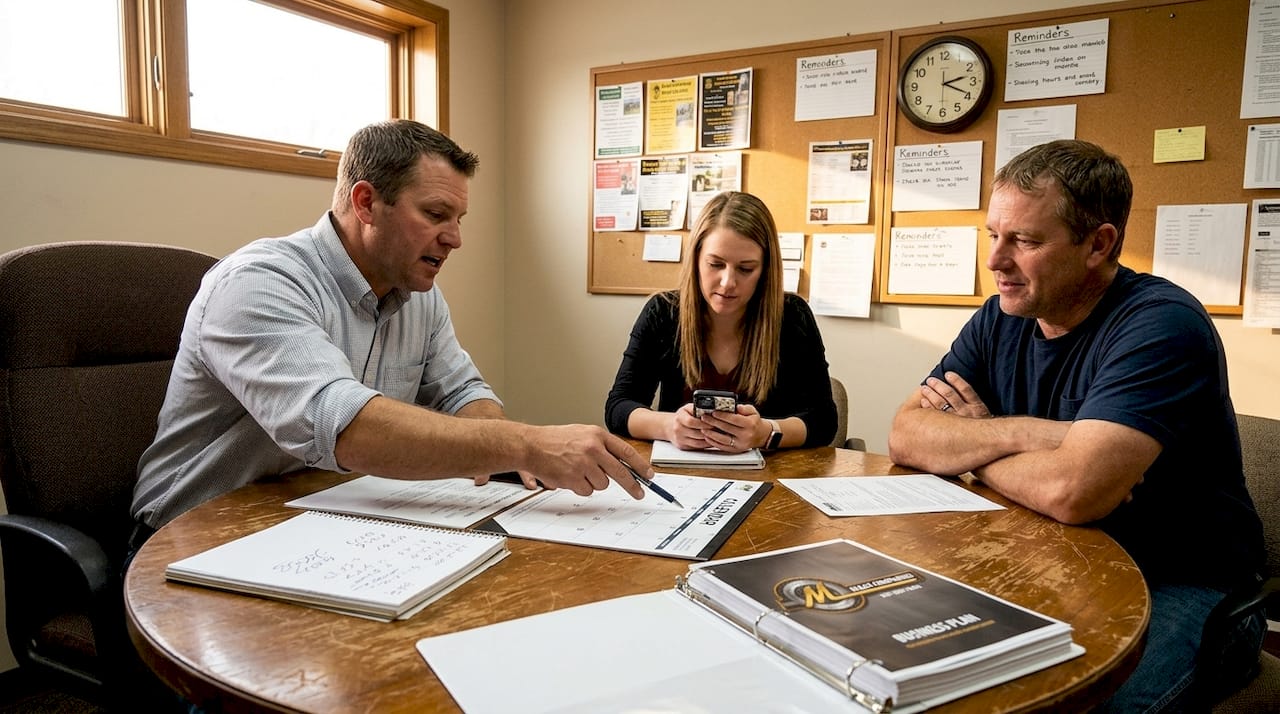
Pro Tip: If you lack the internal resources to manage auction logistics and marketing simultaneously, a professional auctioneer handles both. Their fee is often recovered through higher final bids driven by broader buyer reach and competitive bidding management.
Market your auction for maximum visibility
With your auction plan in place, promoting your auction is the difference between lowball bids and strong recovery. Even the best-prepared equipment will underperform if the right buyers never hear about the sale.
Effective auction marketing targets buyers who are actively looking for your specific asset types. Broad, untargeted promotion wastes budget and attracts unqualified bidders. Focus your outreach on:
- Industry-specific email lists compiled from buyer databases relevant to your equipment category
- Social media channels used by procurement managers and equipment dealers in your sector
- Trade publications and online forums where your target buyers research purchases
- Direct outreach to known buyers who have purchased similar assets in the past
Hosting inspection days is a core part of targeted buyer marketing. Giving serious buyers scheduled access to your facility builds confidence and often leads to pre-auction offers on high-value items. Pre-auction offers are worth evaluating carefully. They can lock in a floor price before bidding opens.
The comparison below illustrates how online and in-person auction marketing differ in reach and execution:
| Marketing factor | Online auction | In-person auction |
|---|---|---|
| Buyer geography | National or global | Regional or local |
| Lead time required | 3 to 6 weeks | 4 to 8 weeks |
| Inspection logistics | Virtual or limited | Full on-site access |
| Marketing channels | Digital, email, SEO | Print, direct mail, industry contacts |
| Buyer engagement | High volume, lower touch | Lower volume, higher trust |
For guidance on structuring your lots to attract competitive bids, review maximizing auction lot value. Poorly structured lots can suppress bids even when individual assets are desirable. Also, review avoiding auction delays to ensure your marketing timeline aligns with your logistics plan.
Build urgency through timed promotions. Countdown timers, early-bird inspection slots, and clearly communicated bid deadlines all increase buyer engagement and participation rates.
Navigate the bidding process and asset removal
When your auction goes live, execution and follow-through drive your final results and cash flow. Auction day is not the time for improvisation. Every step from bid monitoring to asset release should follow a clear, documented process.
Follow these steps to manage the bidding and post-sale process effectively:
- Monitor all active bids in real time, noting which lots are generating competition and which may need attention
- Communicate asset status updates to registered bidders throughout the auction window to maintain engagement
- Confirm payment in full before authorizing any asset removal from your facility
- Document the chain of control for each asset, recording who received it, when, and under what conditions
- Coordinate removal logistics with buyers in advance to avoid scheduling conflicts and storage fee accumulation
Recovery rates vary significantly by asset type and sale format. The data below reflects typical auction benchmarks across categories:
| Asset type | Orderly auction recovery | Forced auction recovery | Private sale recovery |
|---|---|---|---|
| General industrial equipment | 40 to 65% of FMV | 23 to 45% of FMV | 60 to 80% of FMV |
| Specialty or niche machinery | 28 to 45% of FMV | 20 to 35% of FMV | 45 to 65% of FMV |
| High-demand equipment | 50 to 65% of FMV | 30 to 51% of FMV | 65 to 80% of FMV |
Niche or specialty assets with limited buyer pools consistently recover below 50% of fair market value. If you hold these assets, targeted pre-auction outreach to known end users is critical. For broader guidance on asset disposition speed and the trade-offs between selling and holding, review our related resources. You can also compare options in our sell or store surplus equipment guide.
Pro Tip: Establish a firm removal deadline in your auction terms. Buyers who delay pickup create storage costs and operational disruptions. A clear removal window, typically 5 to 10 business days post-sale, protects your facility and cash flow.
The most overlooked auction success factors for small businesses
Most articles on equipment auctions focus on preparation checklists and marketing tactics. Those elements matter. But in our experience working with small businesses across industrial sectors, the factors that most consistently determine auction outcomes are less obvious.
First, realistic expectations protect you from poor decisions. Business owners who overestimate asset values set reserves too high, scare off buyers, and end up with unsold lots that require a second sale at lower prices. Disciplined reserve pricing, grounded in a professional appraisal, consistently outperforms optimistic guesswork.
Second, timing is underestimated. Ignoring market demand cycles is one of the most common and costly mistakes. Scheduling an auction during an industry downturn or off-season can reduce recovery by 15 to 20 percentage points compared to a well-timed sale.
Third, the right partner changes the outcome. Small businesses rarely have dedicated auction logistics teams. Partnering with experienced auctioneers who manage marketing, buyer outreach, and post-sale logistics allows you to focus on your core operations while professionals maximize your asset recovery strategies.
Success is not about luck. It is about timing, transparency, and the right partners.
Skipping buyer inspections, ignoring demand cycles, and setting arbitrary reserves are the three decisions that most reliably reduce recovery. Avoid them deliberately.
Get expert help for your next equipment auction
Putting these strategies into practice requires experience, buyer networks, and marketing infrastructure that most small businesses do not maintain in-house. That is where Maas Companies Inc. delivers measurable value.
We specialize in maximizing recovery for small and mid-sized businesses selling surplus industrial assets. Browse current online equipment auctions to see how we present and market industrial lots to qualified buyers. When you are ready to sell, explore our auction and brokerage services to find the right disposition strategy for your assets. Our full range of Maas auction services covers everything from appraisal and marketing to bidding management and post-sale logistics, so you recover more with less operational burden.
Frequently asked questions
How long does an industrial equipment auction typically take?
Most auctions complete in 45 to 90 days from initial appraisal through final asset removal. Complex multi-asset sales or specialty equipment may require additional time for targeted buyer outreach.
What percentage of asset value can I expect to recover at auction?
Orderly auctions typically recover 28 to 65% of fair market value, while forced auctions yield lower rates. Strategic preparation and timing improve recovery within that range.
Should I set a reserve price for my auction items?
Yes. Setting a reserve price protects your minimum recovery and is strongly recommended for small business sales where every dollar of recovery matters.
What happens if buyers want to inspect my assets before the auction?
Allowing buyer inspections is standard practice in industrial auctions. It builds buyer confidence, reduces bid discounting for perceived risk, and consistently supports higher final sale prices.
How should I handle high-volume or niche assets in an auction?
High-volume, in-demand equipment suits standard auction formats well. Niche or specialty assets recover less than 50% of fair market value on average and require targeted outreach to end users with specific operational needs.
Recommended
- Maximize Asset Recovery: Top Real Estate Liquidation Methods | Blog | Insights on Asset Liquidation and Auction Trends
- How Auctions Help Speed Up Industrial Asset Disposition | Blog | Insights on Asset Liquidation and Auction Trends
- How Auctions Help Speed Up Industrial Asset Disposition | Blog | Insights on Asset Liquidation and Auction Trends
- Liquidation sales explained: Maximize asset recovery | Blog | Insights on Asset Liquidation and Auction Trends
- Seo Service Small Business: seo service small business success guide