
Blog
Used Equipment Resale: Maximize Asset Recovery in 2026

TL;DR:
- Used equipment resale involves selling industrial machinery to recover value through various channels, with appraisal and documentation being key to maximizing outcomes. Certified third-party appraisals and thorough preparation—such as detailed records and photos—are critical for achieving optimal sale prices and faster transactions. Choosing the right sales channel, whether auction, brokerage, or direct sale, depends on your timeline and recovery goals, while understanding equipment condition distinctions helps manage expectations and risks.
Used equipment resale is the structured process of selling previously owned industrial machinery and assets to recover capital value and reduce carrying costs for business owners managing surplus, idle, or end-of-life equipment. For decision-makers navigating plant closures, restructuring, or fleet upgrades, understanding this process is the difference between recovering 60 cents on the dollar and leaving significant value on the table. Accurate appraisal, market timing, and selecting the right sales channel are the three variables that determine outcome. Platforms like JumboBee and VB Industrial Supply have documented how data-driven pricing and transparent listings consistently outperform intuition-based approaches in both speed and return.
What is used equipment resale and how is value determined?
Value determination is the foundation of any successful equipment resale transaction. Three primary appraisal methods exist: in-house estimation, dealer appraisal, and certified third-party appraisal. Each serves a different purpose, and selecting the wrong one for your situation directly affects the credibility of your asking price and the speed of your sale.
In-house estimation relies on internal knowledge of the asset’s purchase price, usage history, and condition. It is fast and costs nothing, but it carries the highest risk of mispricing because it lacks market benchmarking. Dealer appraisals provide a more grounded reference point, particularly for common equipment categories, but dealers have an inherent interest in lower valuations when they are potential buyers. Certified third-party appraisals, conducted by credentialed professionals against Fair Market Value (FMV) standards, represent the gold standard for liquidation, legal proceedings, and financing purposes.
Standard depreciation for heavy equipment runs 20 to 40 percent in the first year, then 5 to 10 percent annually, with actual usage hours impacting value more than calendar age alone. A five-year-old excavator with 800 hours on the meter will command a materially different price than an identical model with 4,000 hours. This distinction matters because buyers in the industrial sector are sophisticated and will cross-reference hour meters against service logs before committing.
Market demand and seasonality also affect pricing. Construction equipment sells at a premium in late winter and early spring as contractors prepare for the build season. Food processing and agricultural machinery moves faster ahead of harvest cycles. Timing a sale to align with sector-specific demand cycles can improve realized value by a meaningful margin.
| Appraisal method | Pros | Cons | Best use case |
|---|---|---|---|
| In-house estimation | Fast, no cost | Subjective, no market data | Initial internal planning |
| Dealer appraisal | Industry knowledge, quick turnaround | Potential buyer bias | Preliminary pricing reference |
| Certified third-party | FMV-based, legally defensible | Time and cost involved | Liquidation, legal, financing |
Pro Tip: Use a certified third-party appraisal whenever the sale involves legal proceedings, lender requirements, or assets valued above $100,000. The cost of the appraisal is negligible relative to the pricing accuracy it delivers.
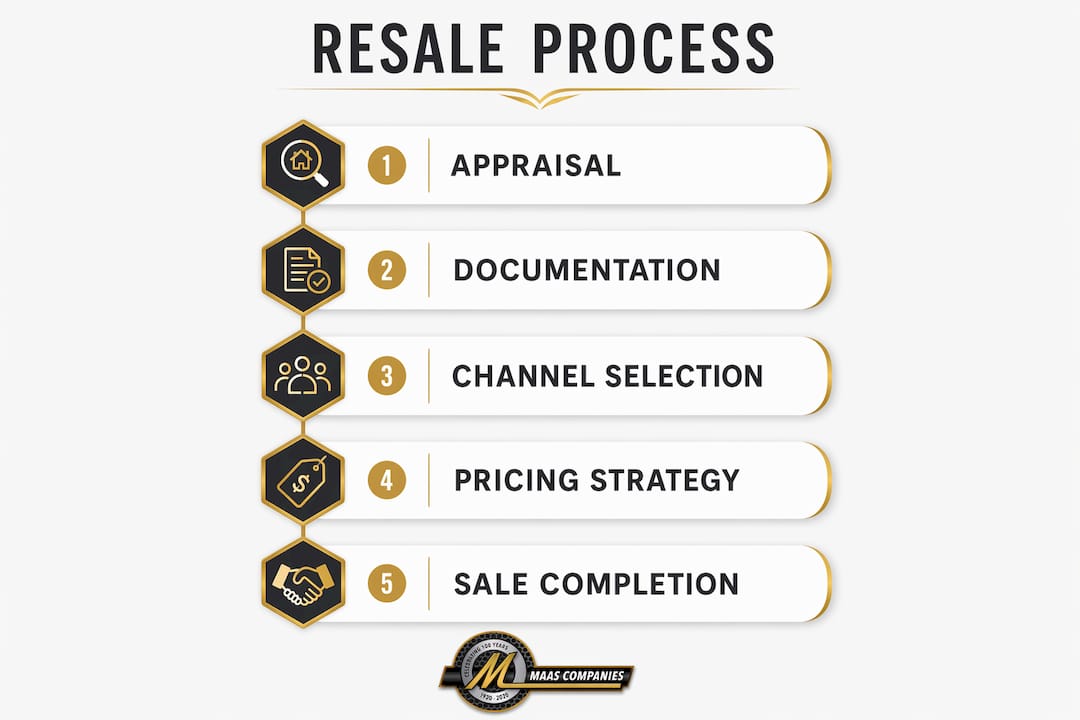
What are the most effective channels to sell used industrial equipment?
The sales channel you select determines buyer reach, transaction speed, and net recovery. Each option involves a different trade-off between control, cost, and timeline.

Direct sale gives the seller full control over pricing and negotiation but requires an existing buyer network and significant time investment. It works well for sellers with established industry relationships or equipment in high demand within a specific sector. Brokerage engages a specialist intermediary who markets the equipment to a qualified buyer pool, handles negotiations, and manages logistics. The broker earns a commission, but the expanded reach and reduced administrative burden typically justify the cost for complex or high-value assets.
Auction is the fastest route to a confirmed sale and provides transparent price discovery through competitive bidding. It suits sellers with firm timelines, such as those managing plant closures or court-ordered liquidations. Consignment places equipment with a dealer or reseller who sells on your behalf, which preserves some pricing control but extends the timeline. Online marketplaces provide broad visibility at low cost but attract a wider range of buyer quality and require the seller to manage inquiries, inspections, and logistics independently.
Preparation is the single most controllable factor in sale outcome. Comprehensive specs, high-quality photos, and verifiable service records shorten the sales cycle and build buyer confidence. Buyers making six-figure purchasing decisions will not proceed without complete documentation. Sellers who provide this upfront eliminate the back-and-forth that stalls transactions.
Key preparation steps for attracting qualified buyers:
- Compile full maintenance and service records, including dates, parts replaced, and technician notes
- Photograph the equipment from multiple angles, including serial number plates and any visible wear
- Document all known defects or repairs accurately and include them in the listing
- Confirm legal title and clear any liens before listing
- Specify dimensions, weight, power requirements, and operational capacity in the listing
Pro Tip: Timing your sale to align with industry demand cycles and year-end capital budget decisions can improve buyer urgency. Many industrial buyers exhaust capital budgets in Q4, making October through December a productive window for certain equipment categories.
Common risks and critical considerations when buying or selling used equipment
The used equipment market carries real risk for both buyers and sellers. Understanding where transactions fail protects both parties and reduces the likelihood of post-sale disputes.
For buyers, the most significant risk is purchasing equipment with undisclosed defects under an “as is” contractual clause. Buyers should beware of “as is” clauses that exempt sellers from liability after the transaction closes. Without a warranty or inspection contingency, the buyer assumes full responsibility for any condition issues discovered after purchase. Verifying maintenance history and confirming legal title transfer are non-negotiable steps in any acquisition.
A frequently underestimated cost category is total landed cost. Dismantling, rigging, shipping, and re-installation can add 15 to 30 percent to the equipment purchase price. A buyer who negotiates a favorable purchase price but fails to account for these costs may find the total investment exceeds the cost of new equipment. Negotiating responsibility for these logistics items early in the contract prevents disputes and protects ROI.
On-site physical inspections remain critical despite advances in digital documentation. Remote listings, even those with detailed photos and videos, cannot substitute for a qualified technician examining the equipment in person. Experienced buyers cross-check physical hour meters against electronic service logs to detect tampering or inconsistencies that indicate unreported heavy use.
Due diligence process for buyers and sellers:
- Confirm legal ownership and verify that no liens or encumbrances exist on the asset
- Request and review complete maintenance records, including third-party service reports
- Conduct an on-site inspection with a qualified technician before finalizing price
- Cross-reference hour meters with electronic service logs for consistency
- Negotiate and document responsibility for dismantling, shipping, and installation costs
- Confirm all contractual terms in writing, including warranty provisions and dispute resolution procedures
Pro Tip: Where possible, negotiate a short operational warranty or inspection period into the sale contract. Even a 30-day limited warranty signals seller confidence and reduces buyer hesitation significantly.
Used vs. refurbished vs. pre-owned equipment: what business owners should know
These three terms are used interchangeably in the market, but they describe meaningfully different product conditions and risk profiles. Misunderstanding the distinction leads to misaligned expectations and, in some cases, costly operational downtime.
Used equipment is sold in its current condition, with no servicing or testing performed by the seller beyond basic cleaning or staging. The price reflects the asset’s age, hours, and visible condition. The buyer assumes full responsibility for any repairs or upgrades required to bring the equipment to operational standard. Used equipment is the right choice when the buyer has in-house technical capability to assess and remediate condition issues, or when the asset is being purchased for parts.
Refurbished equipment has been inspected, serviced, and tested by the seller or a third-party technician. Refurbished equipment should come with a detailed report of parts replaced and testing completed. Without this documentation, a “refurbished” label carries no more assurance than a used listing. Buyers should demand inspection reports and warranty provisions to protect against operational downtime.
Pre-owned equipment is a marketing term with no standardized technical definition. It typically implies lower hours or more recent vintage than “used,” but the term carries no inspection or servicing guarantee. Treat pre-owned listings with the same scrutiny as used equipment unless the seller provides documented condition verification.
| Category | Inspection level | Typical warranty | Risk level | Best use case |
|---|---|---|---|---|
| Used | None or visual only | None (“as is”) | High | Technical buyers, parts sourcing |
| Refurbished | Full inspection and testing | Short-term warranty common | Low to medium | Production-critical applications |
| Pre-owned | Variable, often unverified | Rare | Medium to high | Low-criticality applications with inspection |
Key takeaways
Effective used equipment resale requires certified appraisal, transparent documentation, and a sales channel matched to your timeline and recovery goals.
| Point | Details |
|---|---|
| Appraisal method matters | Certified third-party appraisals deliver FMV accuracy required for liquidation, legal, and financing purposes. |
| Documentation drives speed | Complete specs, service records, and photos reduce buyer hesitation and shorten the sales cycle. |
| Landed costs erode ROI | Dismantling, rigging, and shipping can add 15 to 30 percent to total acquisition cost; negotiate these early. |
| Channel selection affects outcome | Auction maximizes speed; brokerage maximizes reach; direct sale maximizes control. Match the channel to your timeline. |
| Terminology carries risk | Used, refurbished, and pre-owned describe different condition standards; always verify with documentation, not labels. |
What experience in this market actually teaches you
After years of observing how industrial asset transactions succeed and fail, the pattern is consistent: sellers who treat resale as a financial discipline rather than a disposal task recover substantially more value. The difference is rarely about the equipment itself. It is about preparation, pricing discipline, and channel selection.
The most common mistake I see is pricing based on what the seller paid, adjusted downward by a round number. That approach ignores market demand, comparable sales data, and the buyer’s total cost of ownership. Data-driven pricing that accounts for current market conditions, equipment hours, and sector demand cycles produces prices that are both defensible and competitive.
The second pattern worth noting is the cost of skipping physical inspections. Buyers who rely solely on digital listings, even detailed ones, expose themselves to condition surprises that eliminate the cost advantage of buying used. The inspection is not a formality. It is the primary risk mitigation tool in this market.
Partnering with trusted brokers or liquidators improves global buyer reach, logistics coordination, and payment security in ways that self-managed sales rarely replicate. For assets above a certain value threshold, the commission paid to a qualified intermediary is consistently recovered through higher realized prices and faster transaction timelines. The sellers who resist this logic typically discover it after the fact.
— Vector
How Maascompanies supports your asset recovery and resale goals
Maascompanies brings decades of international experience to industrial equipment resale, managing the full process from appraisal and marketing through logistics and final sale facilitation. Whether your situation involves a plant closure, surplus inventory, or a structured liquidation, Maascompanies applies an aggressive, data-driven marketing approach to expand buyer reach and maximize recovery value.
The Maascompanies team manages auction and brokerage services for sellers across manufacturing, processing, and industrial sectors worldwide. From preparing compliant asset listings to coordinating buyer inspections and managing the chain of control through closing, Maascompanies handles the complexity so your team can focus on operations. Contact Maascompanies directly to discuss a tailored asset recovery strategy for your equipment portfolio.
FAQ
What is used equipment resale in industrial contexts?
Used equipment resale is the sale of previously owned industrial machinery to recover capital value, typically through direct sale, brokerage, auction, or consignment channels. The process involves appraisal, documentation, marketing, and legal title transfer.
How do I determine a fair price for used industrial equipment?
Fair Market Value is established through certified third-party appraisal, which accounts for age, usage hours, condition, and current market demand. Standard depreciation runs 20 to 40 percent in the first year, with usage hours carrying more weight than age alone.
What are the biggest risks when buying used equipment?
The primary risks are undisclosed defects covered by “as is” clauses, incomplete maintenance records, and underestimated total landed costs including rigging, shipping, and installation. On-site inspection by a qualified technician is the most effective mitigation.
When should I use an auction versus a brokerage to sell equipment?
Auction is the preferred channel when speed and a confirmed sale date are priorities, such as during plant closures or court-ordered liquidations. Brokerage is better suited when maximizing realized price and reaching a targeted buyer pool are the primary objectives.
What is the difference between refurbished and used equipment?
Refurbished equipment has been inspected, serviced, and tested, and should include a detailed report of work completed along with a short-term warranty. Used equipment is sold in its current condition with no servicing guarantee, placing full condition risk on the buyer.
Recommended
- Surplus equipment sale guide: maximize asset recovery fast | Blog | Insights on Asset Liquidation and Auction Trends
- Equipment liquidation explained: maximizing asset recovery | Blog | Insights on Asset Liquidation and Auction Trends
- Auction strategies for small businesses: Maximize asset recovery | Blog | Insights on Asset Liquidation and Auction Trends
- How Auctions Help Speed Up Industrial Asset Disposition | Blog | Insights on Asset Liquidation and Auction Trends