
Blog
How to Sell Industrial Equipment and Maximize Value
TL;DR:
- A structured liquidation process significantly improves asset recovery rates and prevents value loss.
- Proper documentation and asset grouping enable targeted sales channels and higher bids.
- Delays and organizational indecision often cause more damage to recovery outcomes than tactical errors.
Selling surplus industrial equipment without a structured plan can cost your organization far more than the carrying costs alone. Asset managers who pursue unsystematic liquidation routinely leave significant capital on the table, accepting returns well below market value simply because they lacked a clear process. The decisions made in the first few weeks after equipment becomes surplus often determine whether your recovery is 28% or 50% of net book value. This guide walks you through every stage of a disciplined sale, from initial inventory to final handoff, so you can move assets efficiently and protect your organization’s financial position.
Table of Contents
- Assessing your industrial assets and requirements
- Choosing the optimal sales channel
- Preparing industrial equipment for sale
- Executing the sale and closing procedures
- What most guides miss about equipment liquidation
- Ready to maximize your equipment sale?
- Frequently asked questions
Key Takeaways
| Point | Details |
|---|---|
| Preparation boosts recovery | Well-prepared assets typically recover up to 10-20% more value than rushed or poorly documented sales. |
| Choose the right channel | Matching your asset type to the most effective sales method maximizes your return and speeds up the process. |
| Act quickly | Delays in selling increase depreciation and reduce total recovery for surplus equipment. |
| Execution details matter | A methodical closing process minimizes risk and ensures smooth asset transfer. |
Assessing your industrial assets and requirements
With the stakes established, the first step is to know exactly what you have and what’s required to market it. A thorough asset audit is the foundation of any successful liquidation. Without accurate data on what you own, you cannot make informed decisions about pricing, channel selection, or sequencing the sale.
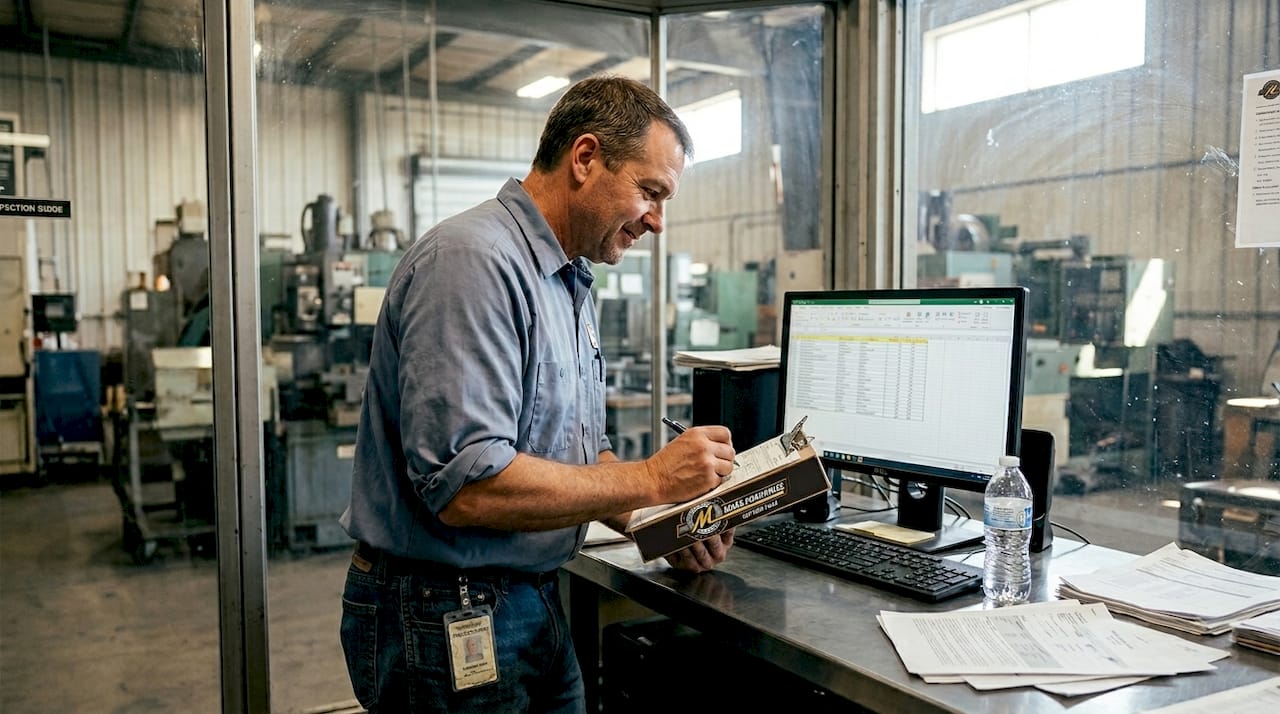
Begin by documenting every piece of surplus equipment in a standardized format. Record the manufacturer, model number, year of manufacture, hours of use, current operational status, and maintenance history. Equipment with complete service records and low utilization hours commands measurably stronger bids, because buyers in the secondary market are sophisticated and they verify claims during due diligence.
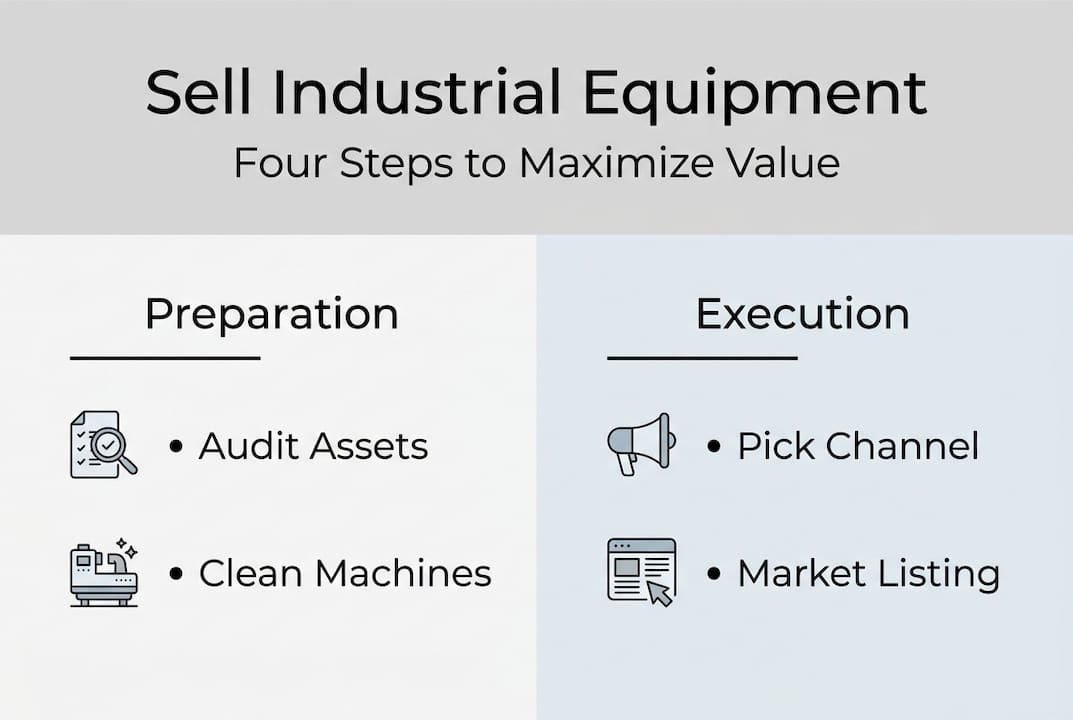
Next, group assets by type, function, and market potential. Heavy CNC machining centers, for example, attract a very different buyer pool than general material handling equipment. Segmenting your inventory this way allows you to prioritize high-value or specialized items for targeted sale channels, while routing commodity assets toward higher-volume options like auctions.
Preparation boosts recovery rates by 10-20% over baseline outcomes, making documentation one of the highest-return investments of time you can make before the sale begins. Use the equipment selling checklist to ensure nothing is overlooked.
Key documents to gather for each asset include:
- Title and proof of ownership
- Original equipment manuals and technical specifications
- Maintenance logs and service records
- Safety certifications and compliance documentation
- Any existing warranties or service contracts still in effect
- Photographs from multiple angles, including close-ups of wear areas
| Asset category | Key data points to document | Primary sale channel |
|---|---|---|
| CNC and precision machining | Hours, tooling, calibration records | Brokered or direct sale |
| Material handling equipment | Load ratings, condition, age | Auction or wholesale |
| Process and chemical equipment | Certifications, compliance status | Targeted direct sale |
| General facility equipment | Age, operational status | Auction |
Pro Tip: Assign one team member as the documentation lead before the sale begins. Having a single point of accountability for paperwork reduces delays during buyer due diligence and prevents last-minute surprises that can kill a deal or force a price reduction.
Choosing the optimal sales channel
Once you understand your inventory and objectives, choosing the right sales approach is critical to maximizing returns. Not all equipment should be sold the same way, and forcing assets into the wrong channel is one of the most common and costly mistakes asset managers make during restructuring.
The four primary sales routes are auctions, brokered private sales, direct sales, and wholesale or direct buy arrangements. Each carries different time-to-cash profiles, recovery rate ranges, and buyer access levels.
Recovery rates vary significantly by channel: auctions return 40-70% of fair market value (FMV), private brokered sales yield 60-80% FMV, and wholesale or direct buy arrangements typically recover only 20-40% FMV. The trade-off is speed and certainty versus maximum price.
| Sales channel | Typical FMV recovery | Time to close | Best use case |
|---|---|---|---|
| Auction | 40-70% | 4-8 weeks | Broad inventory, time-sensitive sales |
| Brokered private sale | 60-80% | 8-16 weeks | High-value or specialized assets |
| Direct sale | 60-80% | Variable | Niche equipment with known buyers |
| Wholesale/direct buy | 20-40% | 1-3 weeks | Distressed timelines, bulk lots |
How to match each asset to its optimal channel:
- Identify total sale urgency. Hard deadlines driven by facility closure or lease expiration push toward auction or wholesale for broad lots.
- Classify by specialization. Highly specialized or branded assets with a limited qualified buyer pool benefit from brokered or direct sale marketing.
- Assess current market demand. For equipment categories with active secondary markets, auctions generate competitive bidding and strong results.
- Segment by lot size. Large, mixed-use inventories often sell best through auctions that can absorb volume efficiently.
- Confirm carrying cost tolerance. If holding costs are significant, speed of sale takes priority over maximum price optimization.
Understand the auction channel pros and cons and review auction and broker strategies before committing to a channel to ensure alignment with your financial objectives.
Preparing industrial equipment for sale
With your sales channel selected, you need to maximize the appeal and value of your assets before you list or auction them. Presentation matters more than most asset managers expect in the industrial secondary market. Buyers form fast judgments based on visual condition and documentation completeness, and those judgments directly affect bid levels.
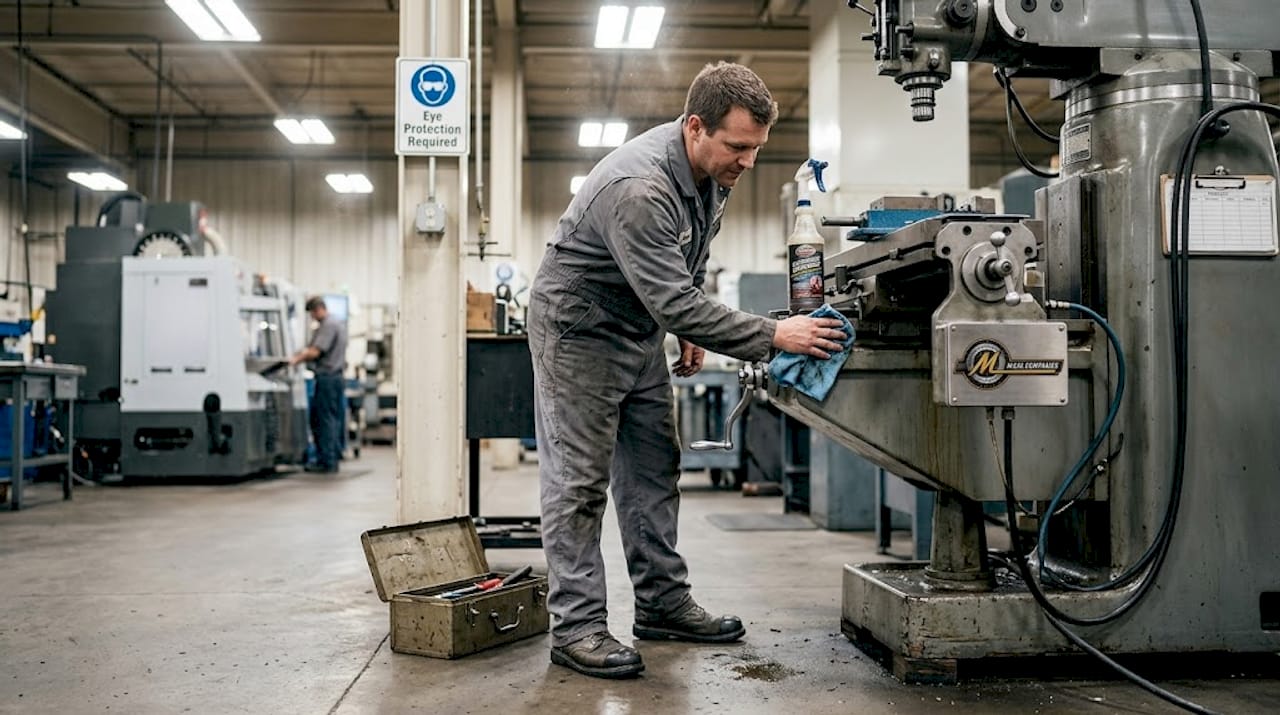
Start with a visual inspection of every asset. Clean equipment thoroughly, remove debris, and address minor surface issues like rust or grease buildup. These are low-cost interventions that signal to buyers that the equipment was maintained with care. Where economically justified, perform minor mechanical repairs. A machine that powers on and demonstrates basic function almost always outperforms an identical unit sold as non-operational.
Update maintenance records and confirm that safety certifications are current and readily available. Buyers performing due diligence will request this documentation, and gaps in paperwork create negotiating leverage for price reductions. Effort invested in preparation can lift recovery values by 10-20%, meaning the ROI on preparation activities is typically strong relative to the time invested.
Review surplus sale preparation tips and study auction preparation strategies to align your process with what buyers and auctioneers actually require.
Common mistakes to avoid during preparation:
- Missing or incomplete paperwork is the single most cited reason buyers reduce offers or withdraw entirely
- Low-quality photographs drastically limit online buyer interest before an auction or listing goes live
- Neglecting easy mechanical fixes that have an outsized impact on perceived condition
- Inconsistent asset descriptions that create ambiguity and reduce buyer confidence
Pro Tip: Start preparation activities immediately after the surplus decision is made. Every week of delay introduces additional depreciation. Industrial equipment loses value continuously through market saturation, technology advancement, and physical deterioration.
Important: Specialized, obsolete, or heavily customized equipment may recover significantly less than general-purpose assets, regardless of preparation quality. Set realistic internal expectations for these asset categories early in the process to avoid valuation disputes and decision delays.
Executing the sale and closing procedures
Careful preparation complete, it’s time to execute your sale strategically and ensure a clean, compliant transaction. Marketing, buyer vetting, negotiation, and closing logistics all require the same level of discipline applied during preparation.
Begin by marketing to qualified buyers through the channels identified earlier. Effective marketing materials include detailed condition reports, complete specification sheets, high-quality photographs, and clear terms of sale. Vague listings attract low offers and time-wasting inquiries from unqualified buyers.
Typical recovery rates sit at 28-35% of net book value at baseline, rising to 40-50% or higher with proper preparation and channel selection. That range represents real capital, and closing procedures that are rushed or poorly managed can erode gains made during preparation.
Key steps to execute the sale effectively:
- Qualify buyers early. Verify financial capacity and purchasing authority before investing time in detailed negotiations.
- Vet all offers against market data. Use FMV benchmarks and channel recovery norms to evaluate whether an offer warrants acceptance or counter.
- Negotiate terms in writing. All price, payment timing, removal responsibilities, and inspection rights must be documented before acceptance.
- Execute a formal sale contract. Include payment security terms (wire transfer or letter of credit are standard), a clear handover date, and liability cutoff provisions.
- Manage removal and logistics. Define who is responsible for rigging, loading, and site restoration. Ambiguity here creates disputes and cost overruns post-sale.
| Task | Responsible party | Timing |
|---|---|---|
| Buyer qualification | Asset manager | Before negotiations begin |
| Offer review and counter | Asset manager + legal | Within 48-72 hours of receipt |
| Contract execution | Legal counsel | Before payment is received |
| Payment confirmation | Finance team | Before equipment release |
| Equipment removal | Buyer (per contract) | Per agreed removal window |
| Site restoration sign-off | Facilities team | Upon buyer departure |
Review your approach to choosing an industrial auction and understand how plant liquidation recovery value is calculated to set appropriate financial targets before closing begins.
What most guides miss about equipment liquidation
You’ve mastered the mechanics, but there’s a deeper layer most asset guides don’t reveal. The single largest driver of poor liquidation outcomes is not poor preparation or channel selection. It’s delay. Indecision at the organizational level, whether caused by internal disagreements, pending approvals, or a reluctance to accept current market values, costs more than almost any tactical error in the sale process itself.
Conventional advice focuses on what to do. It rarely addresses when to do it or how to build organizational alignment early enough to act fast. Finance and legal teams need to be at the table from the start, not called in at the contract stage. Delays in getting internal sign-off have a direct and measurable impact on maximizing asset recovery.
The organizations that consistently achieve 40-50% or better recovery rates are not necessarily the ones with the best equipment. They’re the ones with clear decision authority, fast internal communication, and a bias toward action over deliberation.
Ready to maximize your equipment sale?
If you’re managing a surplus equipment situation and need a structured, professional approach to liquidation, Maas Companies can help you move faster and recover more.
Our team specializes in industrial equipment selling services across manufacturing, processing, and heavy industrial sectors worldwide. Through our Maas services portfolio, we provide auction management, brokered sale representation, and targeted buyer marketing designed to maximize your recovery value. We handle the complexity so your team can focus on the transition. Contact us today for a tailored selling strategy built around your assets, your timeline, and your financial objectives.
Frequently asked questions
What sales channel offers the highest returns for surplus industrial equipment?
Private sales return 60-80% FMV, making them the highest-recovery option when time allows, while auctions yield 40-70% and wholesale routes typically recover only 20-40%.
How do I prepare industrial equipment for sale?
Clean, repair, document, and photograph every asset thoroughly; preparation lifts recovery values by 10-20% and ensures all manuals and certifications are available to buyers during due diligence.
What is the first step when liquidating industrial assets?
Start with a detailed inventory audit and collect all relevant documentation for each asset, including titles, maintenance logs, and certifications, before contacting any buyers or sale channels.
How fast should I act to avoid losses when selling equipment?
Acting quickly is essential because equipment depreciates continuously; speed and preparation together can improve recovery rates by 10-20% or more compared to delayed or unstructured approaches.
Are auctions or brokers better for equipment liquidation during restructuring?
For corporate restructurings with defined timelines, auctions and brokers deliver efficiency and speed that internal direct sale efforts rarely match, making them the preferred choice for most surplus situations.
Recommended
- How Brokerage and Auction Work to Sell Industrial Assets | Blog | Insights on Asset Liquidation and Auction Trends
- Auction lots for industrial asset sales: maximize value | Blog | Insights on Asset Liquidation and Auction Trends
- How to Choose the Right Auction for Industrial Equipment | Blog | Insights on Asset Liquidation and Auction Trends
- Pre-Auction Selling Checklist for Industrial Equipment | Blog | Insights on Asset Liquidation and Auction Trends
- Expert strategies to optimize yacht resale value: up to 20% more