
Blog
7 Key Benefits of Plant Auctions for Industrial Asset Recovery
TL;DR:
- Plant auctions provide transparent bidding and faster asset recovery than private sales.
- Proper preparation and marketing can recover up to 50% of net book value with over 90% sell-through.
- Global online platforms attract diverse international buyers, maximizing asset value and transparency.
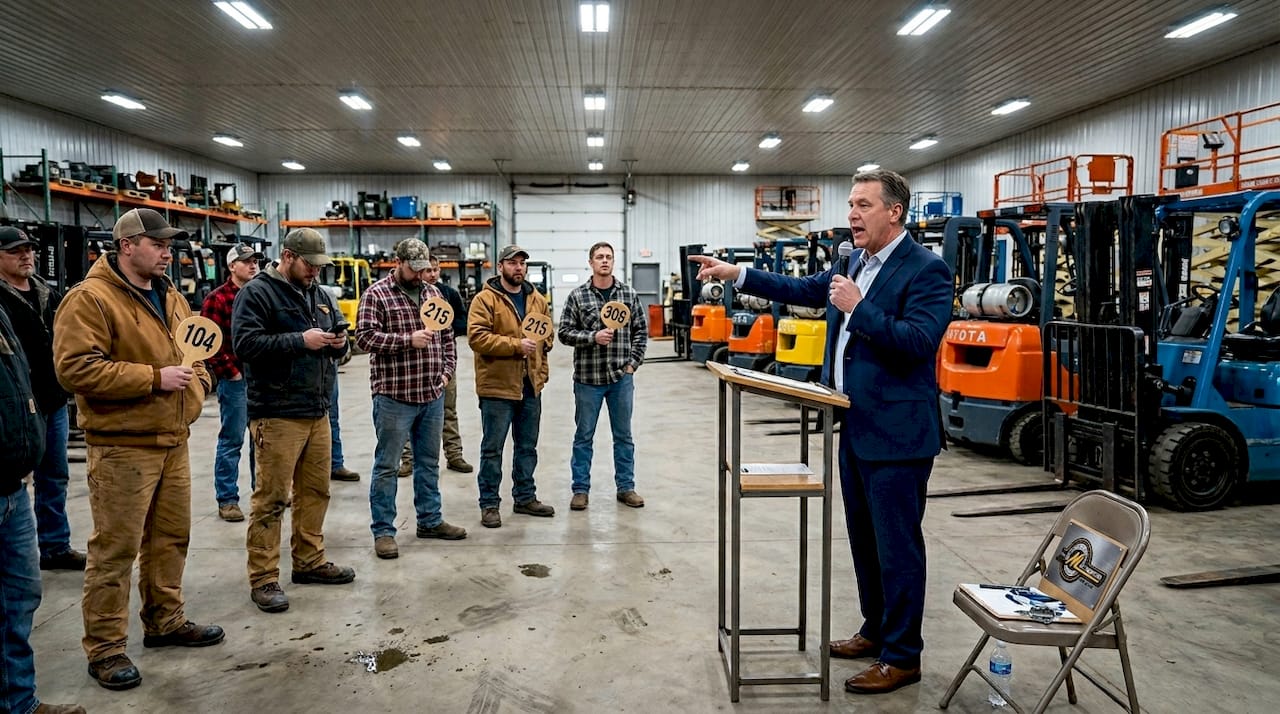
When a plant closure or major restructuring is on the table, CFOs, COOs, and Plant Managers face a critical question: how do you convert idle industrial assets into maximum cash recovery, quickly, transparently, and with minimal operational disruption? Private sales often take months, involve drawn-out negotiations, and can leave significant value unrealized. Plant auctions offer a structured, competitive alternative that consistently delivers speed, price transparency, and defensible outcomes. This article covers seven core benefits of plant auctions, from competitive bidding and global buyer access to compliance-ready audit trails and sell-through performance that private channels rarely match.
Table of Contents
- Ensures competitive bidding and true market value
- High asset recovery rates and sell-through success
- Global reach and diverse buyer pools
- Streamlined process, compliance, and fiduciary transparency
- Why the conventional wisdom on plant auctions underestimates their strategic value
- Maximize your asset recovery with expert auction services
- Frequently asked questions
Key Takeaways
| Point | Details |
|---|---|
| Market-driven pricing | Auctions ensure assets are sold at fair market value through open, competitive bidding. |
| Faster asset disposition | Plant auctions speed up the sale process and reduce holding costs compared to private sales. |
| Proven recovery rates | Well-prepared auctions can achieve 40-50 percent of an asset’s net book value with sell-through exceeding 90 percent. |
| Global buyer access | Auctions draw interest from both domestic and international buyers, maximizing potential value. |
| Transparent, compliant process | Auction methods provide clear audit trails, lowering legal risk and enhancing stakeholder trust. |
Ensures competitive bidding and true market value
With the criteria for asset recovery established, the first benefit to consider is how plant auctions provide price transparency and competitive dynamics rarely matched by other methods.
Auctions generate price discovery through open competition. When multiple qualified buyers bid simultaneously, the final sale price reflects genuine market demand rather than a single buyer’s negotiating leverage. This dynamic is particularly important for CFOs who must justify asset disposition values to boards, lenders, or auditors. Every bid is recorded, every transaction is documented, and the resulting audit trail provides a clear chain of control that sealed bids or negotiated sales simply cannot replicate.
In terms of timeline, auctions consistently outpace private sales. A well-organized industrial auction can move from asset assessment to final settlement in 60 to 90 days. Comparable private negotiations frequently stretch beyond six months, accumulating carrying costs, insurance premiums, and security expenses that erode net recovery. Understanding how choosing the right auction format aligns with your asset profile is one of the most impactful decisions you can make early in the process.
The advantages over alternative sale methods include:
- Price transparency: All bids are visible, creating a verifiable record for compliance officers and stakeholders.
- Competitive pressure: Multiple buyers bidding in real time push prices toward genuine market value.
- Speed to settlement: Auctions close on a defined date, eliminating open-ended negotiation timelines.
- Reduced counterparty risk: Buyers are pre-qualified, and deposits are typically collected before bidding begins.
- Defensible outcomes: The structured process is easier to document and defend in regulatory or fiduciary reviews.
There is a reason why experienced asset managers consistently return to the auction format. As noted in a review of auction channel pros and cons, competitive bidding establishes fair market value through transparency, often outperforming private sales in speed while achieving comparable or better net recovery for diverse assets.
“The auction process does not just set a price. It sets the market price, validated by competition and recorded for accountability.” This distinction matters enormously when fiduciary standards require a defensible disposition process.
For operations leaders focused on speeding up asset disposition, auctions remove the uncertainty of extended private negotiations and replace it with a structured, time-bound process that produces results.
High asset recovery rates and sell-through success
Beyond competitive pricing, it is essential to understand how auctions translate to tangible asset recovery and cash flow.
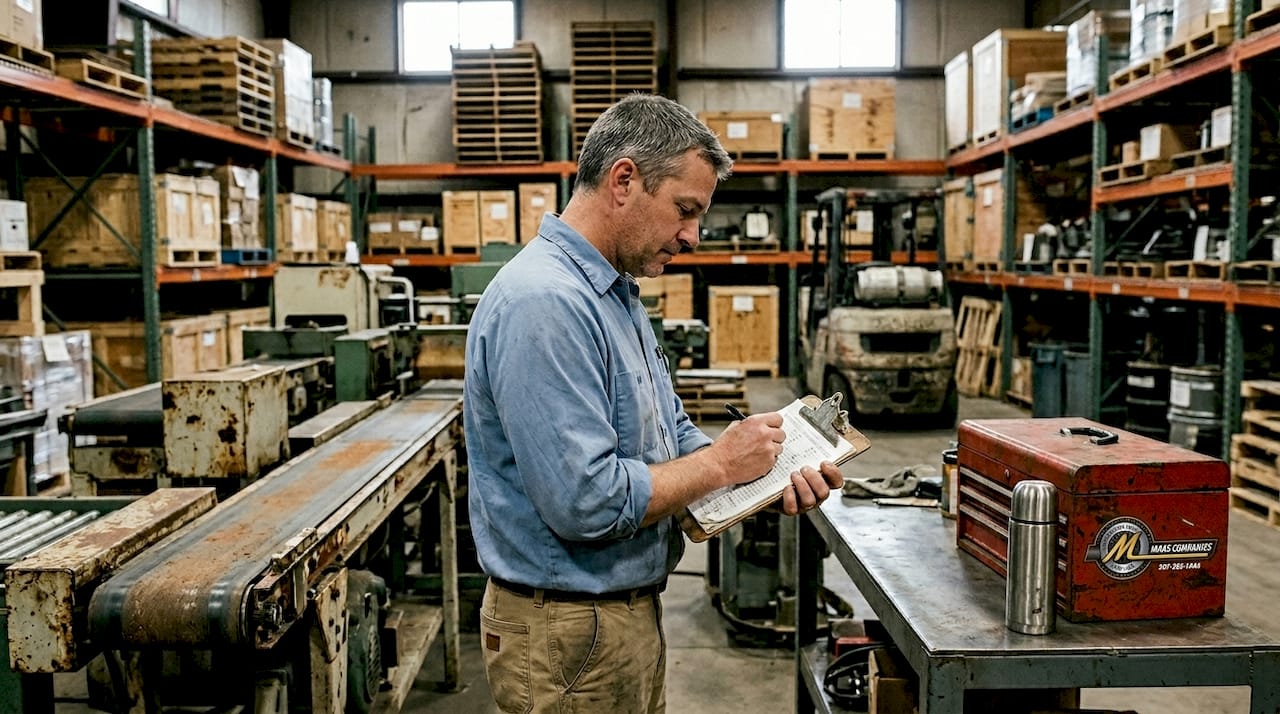
Recovery rates for plant equipment auctions typically range from 28 to 50 percent of net book value, with strategic preparation pushing results toward the upper end of that range at 40 to 50 percent. Sell-through rates exceed 90 percent when assets are properly priced and marketed. These figures represent a meaningful performance benchmark when compared to piecemeal private sales, which often stall on individual high-value assets while lower-value items accumulate storage costs.
Key performance comparison:
| Metric | Optimized Plant Auction | Unmanaged Private Sale |
|---|---|---|
| Recovery rate | 40-50% of net book value | 20-35% of net book value |
| Sell-through rate | Over 90% | Varies widely, often below 60% |
| Time to close | 60-90 days | 6-18 months |
| Audit trail | Complete and documented | Inconsistent |
Three steps consistently improve recovery rates in plant auctions:
- Set realistic reserves. Reserves that are priced too high suppress competitive bidding. Work with your auction advisor to align reserve prices with current secondary market data, not depreciated book values.
- Invest in pre-auction marketing. Targeted outreach to end-users, dealers, and international buyers increases the qualified buyer pool significantly. Broader marketing is directly correlated with higher final bid averages.
- Facilitate pre-auction inspections. Buyers who physically inspect or review detailed equipment reports before bidding submit higher, more confident bids. Inspection access reduces uncertainty and drives up competitive interest.
CFOs managing plant closures or refinancing events benefit from understanding maximum recovery value for lenders, particularly when creditors or special asset managers are involved in the disposition decision. Proper auction structuring directly affects loan recovery calculations and can change the financial outcome of the entire transaction.
Global reach and diverse buyer pools
Successful auctions do not just depend on method or recovery rates. They thrive on the breadth and motivation of their buyer pool.
Modern auction platforms combine online bidding technology with international marketing campaigns to reach buyers across multiple continents simultaneously. A manufacturing facility in the Midwest can attract bids from European recyclers, Southeast Asian manufacturers, and South American processors on the same auction day. This level of reach is structurally impossible through local brokers or regional dealer networks.
Buyer reach comparison:
| Sales Channel | Geographic Reach | Buyer Diversity | Marketing Scale |
|---|---|---|---|
| Local broker | Regional | Low | Limited |
| Online auction platform | Global | High | Broad and targeted |
| Direct dealer sale | National at best | Moderate | Minimal |
The types of buyers that professional plant auctions typically attract include:
- End-users: Manufacturers seeking specific equipment to expand capacity.
- Equipment dealers: Buyers who resell into established secondary markets.
- Overseas manufacturers: International buyers seeking cost-effective capital equipment.
- Scrap and recycling companies: Buyers for assets with limited operational life but strong material value.
- Private equity and investment groups: Buyers acquiring assets for plant restarts or business combinations.
The value of accessing international buyers is particularly relevant for specialized or high-value machinery, where a niche buyer in another country may place a significantly higher value on an asset than any domestic bidder. Broad marketing and inspections boost bids by up to 15 percent, according to industry analysis of industrial liquidation events.
Pro Tip: Structure your marketing timeline to allow at least 30 days of pre-auction promotion. Targeted digital campaigns, direct outreach to industry associations, and equipment-specific publications all expand your qualified buyer pool before bidding begins. Maximizing value with auction lots also depends on how assets are grouped and presented to different buyer segments.
Streamlined process, compliance, and fiduciary transparency
Once buyers are lined up and value has been established, the next priority is an efficient, defensible process that stands up to internal and external scrutiny.
Professional auction providers manage the full operational scope of a sale, including asset cataloging, logistics coordination, title transfer documentation, payment collection, and post-sale reporting. This removes significant administrative burden from your internal team and ensures that each stage of the process is handled by specialists with direct experience in industrial dispositions.
For CFOs and COOs, the fiduciary dimension is equally critical. Auctions produce a complete, timestamped record of every bid, every buyer interaction, and every transaction. This level of documentation supports compliance with internal governance standards, lender reporting requirements, and regulatory oversight. As noted in industry analysis of industrial asset management, auctions minimize holding costs, provide fiduciary transparency, and commission-based fee structures align the auction provider’s incentives directly with your recovery goals.
Key risks mitigated by the auction process include:
- Conflicts of interest: Open bidding removes the risk of undisclosed side agreements common in private negotiated sales.
- Valuation disputes: Market-driven final prices are difficult to challenge, reducing post-sale litigation risk.
- Carrying cost accumulation: A fixed auction date creates accountability that eliminates indefinite holding periods.
- Compliance gaps: Professional auction documentation satisfies internal audit requirements and external regulatory standards.
- Reputational risk: A structured, transparent process protects organizational reputation during sensitive restructuring events.
Pro Tip: Before selecting an auction provider, review their reporting standards and sample post-sale packages. A credible provider should deliver full settlement reports, buyer registers, and bid history documentation as standard deliverables, not optional add-ons. Reference a selling checklist for industrial equipment to ensure your internal team is prepared before the auction process begins.
Organizations that understand why companies auction machinery for maximum recovery recognize that transparency and process efficiency are as important as the final sale price.
Why the conventional wisdom on plant auctions underestimates their strategic value
The prevailing assumption among many executives is that auctions are a fallback option, something you pursue after private sales have failed or when time pressure forces a decision. The data does not support this view.
Organizations that engage auction specialists early in the disposition planning process consistently outperform those that treat auctions as a last resort. Early engagement allows time for proper asset cataloging, pre-auction marketing campaigns, inspection scheduling, and reserve price analysis. All of these steps directly affect final recovery numbers. When auctions are rushed or treated as an afterthought, the results reflect that planning gap.
There is also the incentive alignment argument. Commission-based auction fee structures mean the provider earns more when you recover more. That alignment is difficult to replicate in a negotiated private sale, where a broker’s incentive is to close a deal, not necessarily to maximize your net proceeds. Reviewing auction strategies to boost recovery demonstrates that proactive planning, not reactive execution, is what separates average outcomes from strong ones. The executives who get the best results treat the auction process as a strategic tool from the start, not a transactional solution at the end.
Maximize your asset recovery with expert auction services
The benefits outlined above are not theoretical. They reflect consistent outcomes achieved through disciplined auction planning and execution by experienced industrial marketing specialists. If you are managing an upcoming plant closure, equipment disposition, or restructuring event, the right time to engage auction professionals is now, before carrying costs accumulate and buyer momentum is lost.
Maas Companies Inc. brings decades of experience in marketing industrial plants, equipment, and commercial properties to buyers worldwide. Whether you are evaluating selling options for a single facility or managing a multi-site disposition, our team provides the strategic guidance and full auction services needed to maximize recovery. Connect with our auction experts today to discuss your asset disposition goals and receive a no-obligation consultation.
Frequently asked questions
How do plant auctions compare to private sales for asset recovery?
Plant auctions typically achieve competitive or better net recovery than private negotiations, and they close significantly faster due to the structured, time-bound bidding process.
What percentage of asset value can I expect to recover through a plant auction?
Recovery rates range from 28 to 50 percent of net book value for industrial equipment, with strategic preparation such as proper pricing and pre-auction marketing pushing results toward the upper end of that range.
Are auctions suitable for specialized or hard-to-value equipment?
Yes. Auctions attract a wide range of domestic and international buyers, and broad marketing with inspections boosts bids by up to 15 percent even for highly specialized or niche assets.
What steps can maximize returns in a plant auction?
Setting realistic reserves, investing in targeted pre-auction marketing, and offering pre-sale inspections are the three most impactful steps, and together they can increase final bids by up to 15 percent according to industrial liquidation analysis.
Recommended
- How Auctions Help Speed Up Industrial Asset Disposition | Blog | Insights on Asset Liquidation and Auction Trends
- How Auctions Help Speed Up Industrial Asset Disposition | Blog | Insights on Asset Liquidation and Auction Trends
- How Industrial Plant Liquidation Maximizes Recovery Value for Lenders | Blog | Insights on Asset Liquidation and Auction Trends
- Auction lots for industrial asset sales: maximize value | Blog | Insights on Asset Liquidation and Auction Trends
- Real Estate Auction Blog | Tips, Strategies & Insights