
Blog
How to Market Idle Equipment for Maximum Recovery
TL;DR:
- Marketing idle equipment involves strategically preparing and promoting surplus assets to attract qualified buyers and maximize recovery value. Effective processes include thorough cleaning, accurate documentation, professional photography and videos, correct pricing based on current market data, and multi-channel distribution. Proper transaction management prioritizes secure payment and detailed documentation to ensure a smooth sale and prevent financial losses.
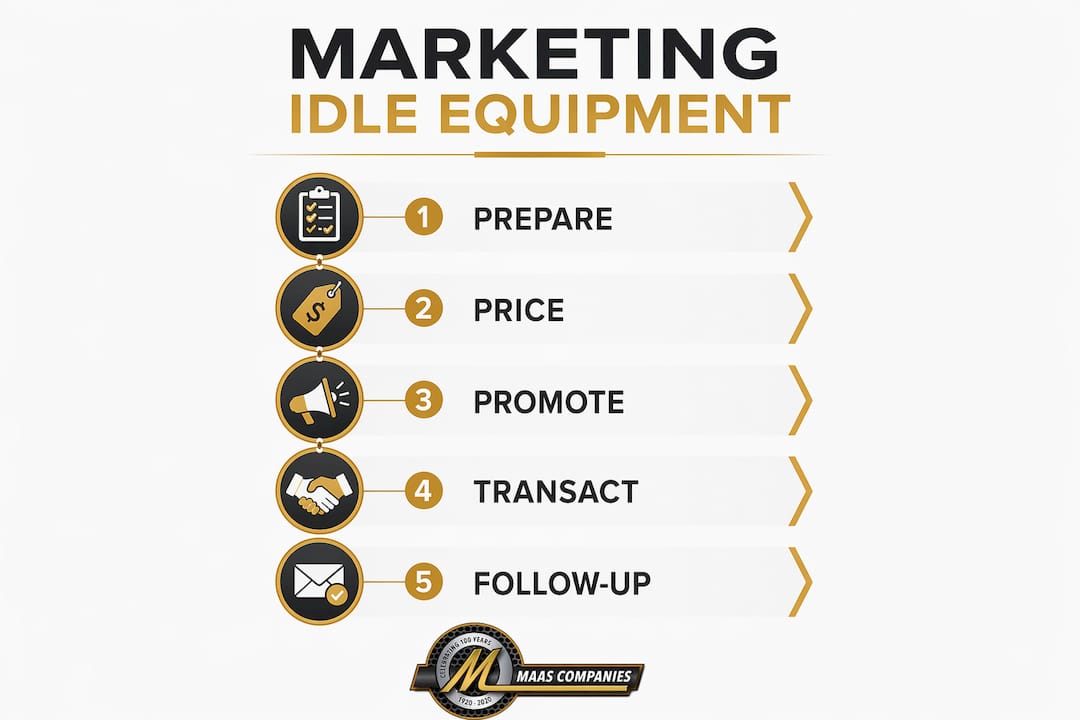
Marketing idle equipment is the process of positioning surplus industrial assets to attract qualified buyers, realize competitive prices, and recover capital that would otherwise erode through depreciation and carrying costs. Business owners and asset managers who know how to market idle equipment systematically recover significantly more value than those who list assets informally or sell through a single channel. The industry standard for used equipment pricing places resale value at approximately 50% of comparable new machine cost, which means the margin between a well-executed sale and a poorly managed one is substantial. This guide covers preparation, pricing, channel selection, transaction management, and common pitfalls.
How to market idle equipment: preparation that drives results
The condition and presentation of idle equipment determine buyer confidence before a single conversation takes place. Buyers prioritize maintenance histories, clear operational condition reports, and demonstration videos to reduce hesitation. Transparency upfront accelerates closing by building trust, which means preparation is not a cosmetic step. It is a commercial one.
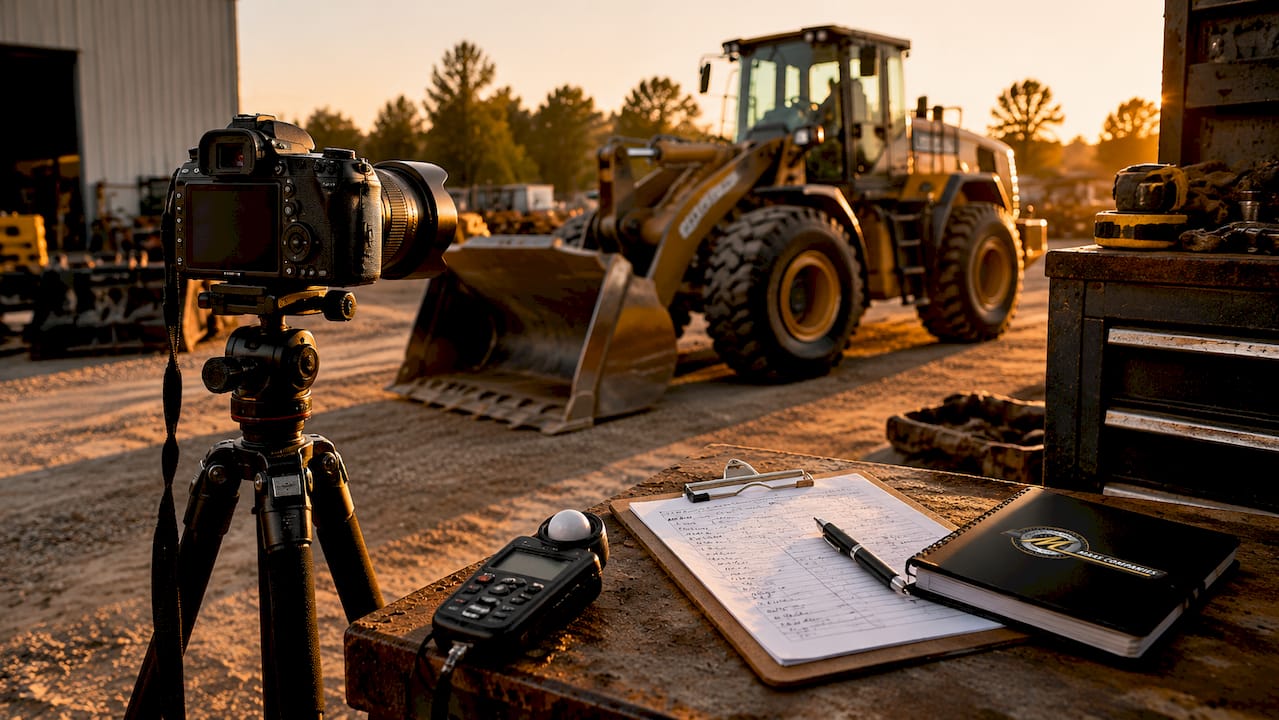
Physical preparation starts with a thorough cleaning of all surfaces, compartments, and undercarriages. Address minor cosmetic repairs such as cracked mirrors, worn decals, or loose panels, since buyers interpret neglected cosmetics as evidence of neglected maintenance. Do not attempt to conceal mechanical issues. Disclose known faults in writing, because undisclosed defects create legal exposure and destroy buyer confidence at inspection.
Documentation is equally critical. Gather the following before listing:
- Title or certificate of ownership
- Current lien status and release documentation if applicable
- Full maintenance logs and service records
- Inspection reports and any third-party certifications
- Hour meter readings and recent operational data
- Manufacturer specifications and original manuals
Pro Tip: Record a walkaround video and a live operational demonstration. High-quality demonstration videos reduce buyer reservations and accelerate deals compared to photos alone. Film in good lighting, narrate key features, and show the machine running under load if possible.
Photograph the equipment from at least eight angles: front, rear, both sides, cab interior, engine compartment, undercarriage, and any attachments. Use natural daylight and a clean background. Poor photography is the single fastest way to lose a qualified buyer before they make contact.
| Preparation Item | Required Action |
|---|---|
| Physical condition | Clean, repair cosmetics, disclose mechanical faults |
| Title and ownership | Confirm clear title, resolve any liens |
| Maintenance records | Compile full service history in chronological order |
| Photography | Minimum 8 angles, high resolution, natural light |
| Video | Walkaround and operational demonstration |
| Specifications | Attach manufacturer data sheet and hour meter reading |
What are effective pricing strategies for idle industrial equipment?
Pricing accuracy determines whether a listing attracts serious buyers or sits unsold for months. The industry standard is to list within approximately 10% of current market value for competitiveness. Used equipment typically trades at about 50% of the cost of comparable new machines, though that figure shifts based on age, operational hours, configuration, and regional demand.
Four factors drive price variation beyond the baseline:
- Age and model year: Newer machines command premiums; older units depreciate faster after major service intervals.
- Operational hours: Low-hour machines in the same model year can sell for 20–30% more than high-hour equivalents.
- Attachments and options: Specialized configurations add value when the buyer pool for that configuration is active.
- Regional supply and demand: A surplus of identical machines in one region suppresses local prices. Selling nationally or internationally corrects for this.
Market prices fluctuate significantly based on model year, operational hours, and regional conditions. That variability is why relying on a single comparable sale produces inaccurate pricing. Use at least three recent comparable sales from reputable data sources, and weight results toward transactions completed within the past 90 days.
Pro Tip: Commission a professional appraisal before listing high-value assets. An independent appraisal gives you a defensible price anchor during buyer negotiations and reduces the risk of leaving recovery value on the table.
Asset managers who work with professional networks consistently achieve better price realization than those who price from memory or list at replacement cost. The goal is a price that attracts multiple serious inquiries, not the highest number you can justify on paper.
Which digital platforms and marketing channels best promote idle equipment sales?
Channel selection determines the size and quality of your buyer pool. Cross-posting equipment listings across multiple platforms with consistent pricing and information maximizes exposure and buyer competition. No single channel reaches every qualified buyer, which is why a multi-channel approach is the standard for professional asset recovery.
The primary channel categories for selling unused equipment are:
- Industry-specific listing platforms: Reach buyers actively searching for specific equipment types. These platforms index well in search engines and attract purchase-ready buyers.
- Auction platforms and live events: Create competitive bidding environments that can push final prices above reserve. Best suited for assets with broad buyer appeal or time-sensitive liquidations.
- Dealer and broker networks: Provide access to pre-qualified buyers and reduce time-to-sale, though they typically involve commission structures.
- Direct outreach to end users: Effective when the asset has a narrow buyer pool, such as specialized processing equipment or custom-configured machinery.
Listing quality directly affects discoverability. Use keyword-rich, concise titles that include brand, model number, year, and primary specification. A title like “2019 Caterpillar 320 Excavator, 3,200 Hours, Hydraulic Thumb” outperforms “Excavator for Sale” in both search ranking and buyer response rate.
Industrial buyers respond to BLUF-style descriptions that provide critical specifications and price early in the listing. Early clarity reduces bounce rates and increases inquiry quality. Place the price, hours, location, and condition summary in the first three sentences of every listing.
Pro Tip: Use a centralized CRM or inventory management system to track all listings, inquiries, and pricing across channels. Fragmented distribution channels without centralized inventory management increase the risk of inconsistent pricing, duplication, and lost leads.
Maascompanies applies an aggressive multi-channel marketing approach that combines proprietary buyer networks, targeted outreach, and digital listings to generate competitive interest across national and international markets.
| Channel Type | Buyer Reach | Speed to Sale | Seller Control |
|---|---|---|---|
| Industry listing platforms | Broad, search-driven | Moderate | High |
| Auction events | Wide, competitive | Fast | Low to moderate |
| Dealer/broker networks | Targeted, pre-qualified | Moderate to fast | Low |
| Direct end-user outreach | Narrow, specialized | Variable | High |
How to execute secure and effective sales transactions for idle equipment
A well-prepared listing that attracts a qualified buyer still fails if the transaction is mismanaged. Payment security is the first priority. Never release equipment until funds are fully cleared. Prefer wire transfers or escrow services, which offer neutrality and protect both parties in large industrial transactions.
Accepted payment methods in order of security:
- Wire transfer directly to your business account
- Escrow service with a verified third-party provider
- Cash verified at your bank before equipment release
- Certified or cashier’s checks verified directly with the issuing bank before any transfer of possession
Avoid personal checks entirely. Fraud in equipment transactions most commonly occurs through counterfeit cashier’s checks, where the seller releases the asset before the check clears and discovers the fraud days later.
“Providing detailed documentation promptly, including titles, maintenance logs, and service histories, builds buyer confidence and smooths negotiations. Ready paperwork accelerates closing and reduces buyer hesitation.” — Seller’s Guide to Selling Equipment with Confidence
Prepare a bill of sale that includes the equipment description, serial number, sale price, payment method, and an “as-is” clause if applicable. Transfer the title only after payment clears. If the buyer arranges transport, document the equipment’s condition at loading with timestamped photographs and a signed condition report. This protects you from post-sale disputes about damage that occurred during shipping.
Pro Tip: Follow up with the buyer 30 days after delivery. Confirmed satisfaction creates referral opportunities and builds your reputation in the industry, which directly supports future asset sales.
What common challenges arise when marketing idle equipment?
The most costly mistakes in selling unused equipment are predictable and preventable. Pricing without current market data is the leading cause of extended time-on-market or undervalued sales. Sellers who anchor to original purchase price or replacement cost consistently misprice assets in both directions.
Common challenges and their solutions:
- Insufficient listing photos or descriptions: Buyers skip listings without adequate visual documentation. Commit to the full photography and video protocol before publishing.
- Ignoring documentation gaps: Missing titles, unresolved liens, or absent maintenance records stall negotiations at the worst possible moment. Resolve all documentation before listing.
- Slow response to inquiries: Lead management and prompt communication accelerate sales and increase closing rates. A buyer who waits 48 hours for a response has already moved to the next listing.
- Releasing equipment before payment clears: This is the most financially damaging error in equipment transactions. No exceptions to the payment-first rule.
- Single-channel marketing: Listing on one platform limits buyer competition and suppresses final price. Multi-channel distribution is the standard for professional asset recovery.
Pro Tip: Classify all incoming inquiries as hot, warm, or cold based on buyer readiness and budget confirmation. Allocate your follow-up time accordingly. Hot leads deserve same-day responses; cold leads can be managed through automated email sequences.
Marketing surplus assets effectively requires consistent attention to lead quality, not just lead volume. A smaller number of pre-qualified buyers produces better outcomes than a high volume of unqualified inquiries.
Key takeaways
Effective marketing of idle equipment requires preparation, accurate pricing, multi-channel distribution, and disciplined transaction management to maximize recovery value.
| Point | Details |
|---|---|
| Prepare before listing | Clean, document, photograph, and record video before any listing goes live. |
| Price from market data | List within 10% of current market value using recent comparable sales. |
| Use multiple channels | Cross-post across listing platforms, auction events, and dealer networks for maximum exposure. |
| Secure payment first | Accept only wire transfers, escrow, or bank-verified funds before releasing any asset. |
| Manage leads actively | Classify and prioritize inquiries to focus resources on purchase-ready buyers. |
What I’ve learned from watching sellers leave money on the table
The most consistent pattern I observe in idle equipment sales is not bad luck. It is underpreparation combined with impatience. Sellers who rush to list without completing documentation, photography, or pricing research almost always accept less than market value, and they accept it faster than they expected because buyers sense the urgency and negotiate accordingly.
The second pattern is channel myopia. Asset managers who post to one platform and wait are not marketing. They are hoping. Real marketing means reaching buyers who are not actively searching for your specific asset but who will recognize its value when it appears in front of them. That requires network reach, targeted outreach, and professional positioning.
Pricing discipline matters more than most sellers acknowledge. The instinct to price high and negotiate down sounds logical, but it filters out serious buyers who interpret an overpriced listing as evidence that the seller is uninformed. Price accurately from the start, and you attract better buyers faster.
Finally, the transaction itself deserves the same rigor as the marketing. I have seen well-prepared, well-priced assets lost to payment fraud because the seller relaxed at the finish line. The equipment liquidation workflow does not end when a buyer says yes. It ends when funds clear and condition is documented at loading.
— Vector
Maascompanies: a proven partner for surplus equipment sales
Maascompanies brings decades of international experience to the marketing and sale of idle industrial equipment, surplus machinery, and complete plant liquidations. The firm combines a dedicated buyer network with an aggressive, multi-channel marketing program designed to generate competitive interest and maximize recovery for each client.
Whether you are managing a plant closure, restructuring excess inventory, or liquidating a single high-value asset, Maascompanies structures a marketing plan tailored to your timeline and recovery goals. Current projects include a 3-MGY biodiesel plant auction featuring surplus industrial equipment across multiple facility types. Contact Maascompanies to discuss how professional asset marketing can improve your recovery outcome.
FAQ
What does “marketing idle equipment” mean in asset recovery?
Marketing idle equipment is the structured process of preparing, pricing, and promoting surplus industrial assets to attract qualified buyers and recover maximum capital value. It differs from simply listing an asset by incorporating documentation, multi-channel distribution, and professional transaction management.
How should I price used industrial equipment for sale?
List used equipment within approximately 10% of current market value, using at least three recent comparable sales as reference points. Used industrial equipment typically sells at about 50% of the cost of a comparable new machine, adjusted for age, hours, and condition.
What payment methods are safest for equipment transactions?
Wire transfer and escrow services are the most secure payment methods for industrial equipment sales. Never release equipment until funds are fully cleared, and verify any cashier’s checks directly with the issuing bank before transferring possession.
Why does multi-channel marketing matter for selling unused equipment?
Single-channel listings limit buyer competition and suppress final sale prices. Cross-posting across industry listing platforms, auction events, and dealer networks exposes the asset to a broader, more competitive buyer pool, which directly improves price realization.
When should I hire a professional asset manager to sell idle machinery?
Hire a professional asset manager when the equipment has significant value, when regional supply is high, or when your team lacks the network reach and marketing infrastructure to generate competitive bids. Expert asset managers with wide networks increase both sale speed and price realization compared to independent selling efforts.
Recommended
- Surplus equipment sale guide: maximize asset recovery fast | Blog | Insights on Asset Liquidation and Auction Trends
- How to Market Surplus Assets for Maximum Recovery | Blog | Insights on Asset Liquidation and Auction Trends
- Used Equipment Resale: Maximize Asset Recovery in 2026 | Blog | Insights on Asset Liquidation and Auction Trends
- How to conduct equipment auctions for maximum asset recovery | Blog | Insights on Asset Liquidation and Auction Trends